How We Built IR Lamps That Actually Hold Up in a Textile Factory
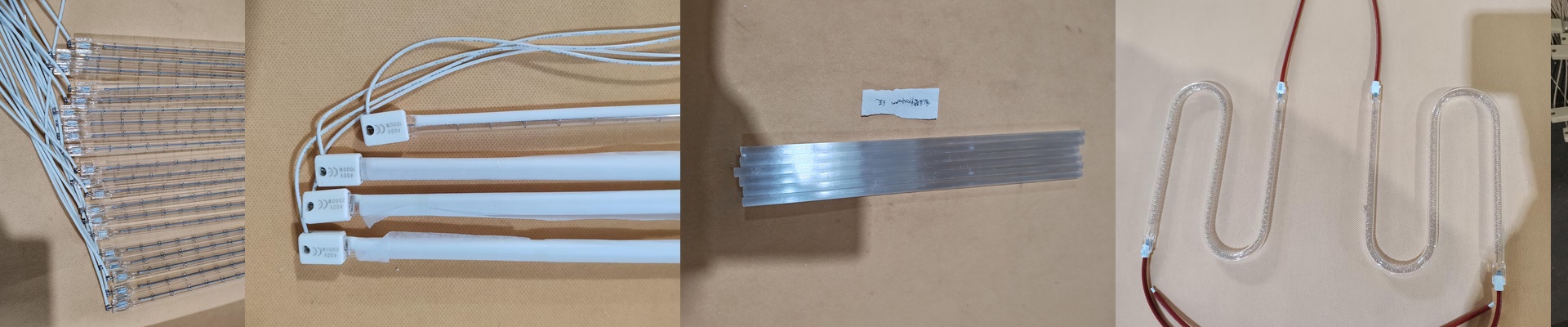
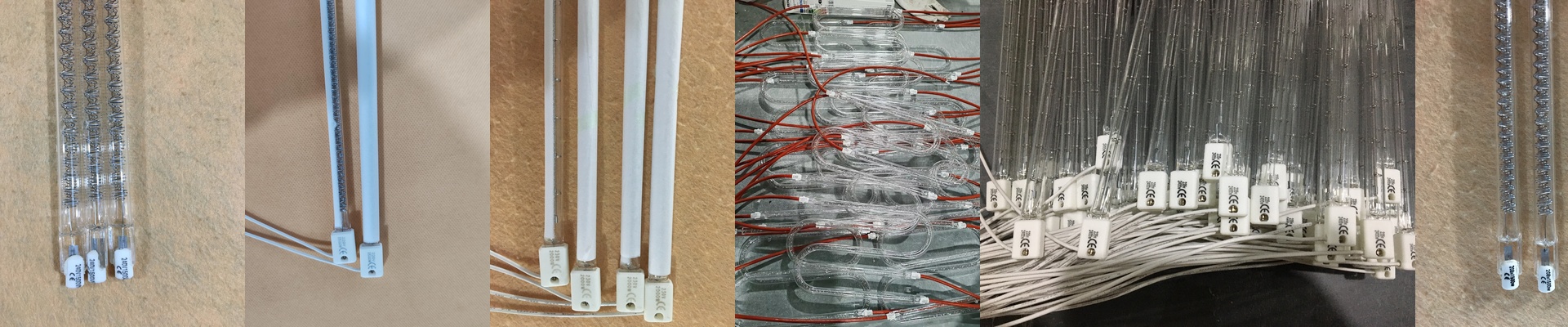
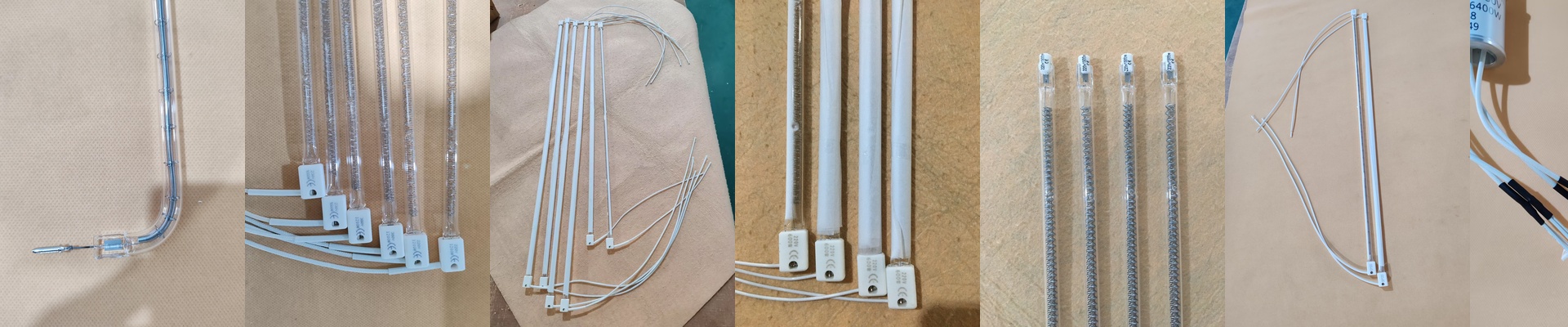
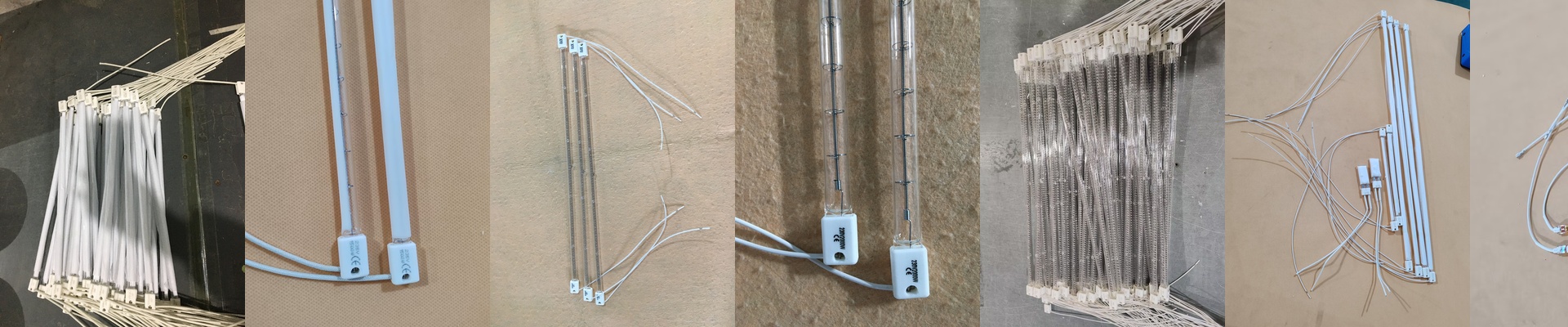
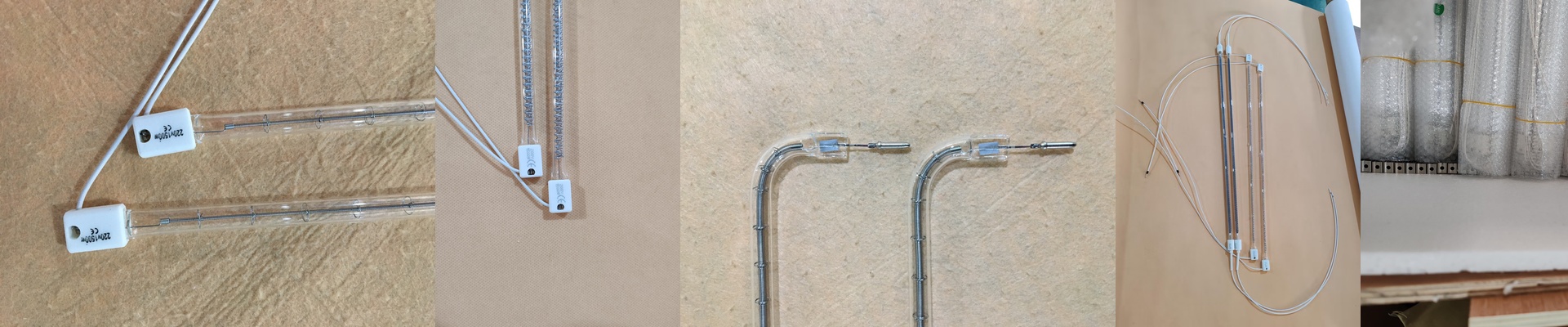
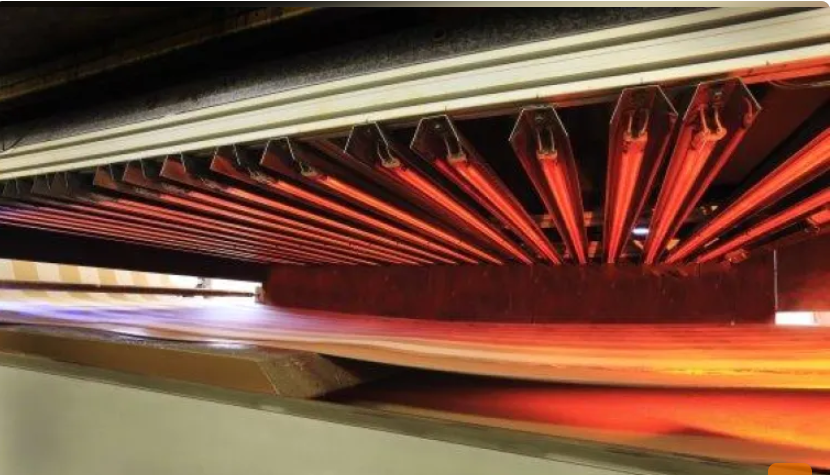
Getting textile curing and drying just right is a headache. You need a very specific kind of heat density, or the whole batch is ruined. For ten years, we just put together parts from other people. But eventually, we decided to start building our own certified infrared (IR) lamps. Why? Because we wanted the same punch and lifespan as those big-name international brands, but without the ridiculous price tag. The battle between power and voltage In a textile line, speed is everything. You need heat that sinks deep into the fabric fast so you don’t have to crawl your conveyor belt along. To make that happen, we spec our tubes for high wattage. We use high-voltage setups to push more power through the filament without the current getting out of control. But here’s a heads-up: check your power supply. If your electrical cabinet isn’t built for those spikes, you’re going to be tripping breakers right when you’re in the middle of a big run. Not a great feeling. The guts of the lamp We use high-purity quartz glass. Plain and simple. It handles the shock of extreme temperature changes way better than standard glass. Most of our lamps also use halogen cycles. This stops the filament from evaporating too quickly, which means your light output stays steady for thousands of hours. It just works. As for the connections, we stick to the basics—R7s or SK15. They’re drop-in replacements. When a tube burns out, you can swap it in a few minutes and get back to work without having to rewire your entire rack. Some of our tubes even have special coatings. These shift the wavelength so the heat hits the moisture in the fabric directly, rather than just heating up the air in the room. It’s a lot more efficient. Keeping things running in the real world These lamps put out a massive amount of heat. While that’s great for drying times, it’s tough on your reflectors. I always suggest checking your reflector alignment every few months. If they warp, you’ll lose about 15-20% of your efficiency. We build these things to take a beating in a loud, dirty factory. But at the end of the day, how long they last depends on one thing: how well you manage the cooling air around the housing. Keep them cool, and they’ll keep working.