Shortwave vs. Mediumwave: Which IR Lamp Actually Works for Your Fabric?
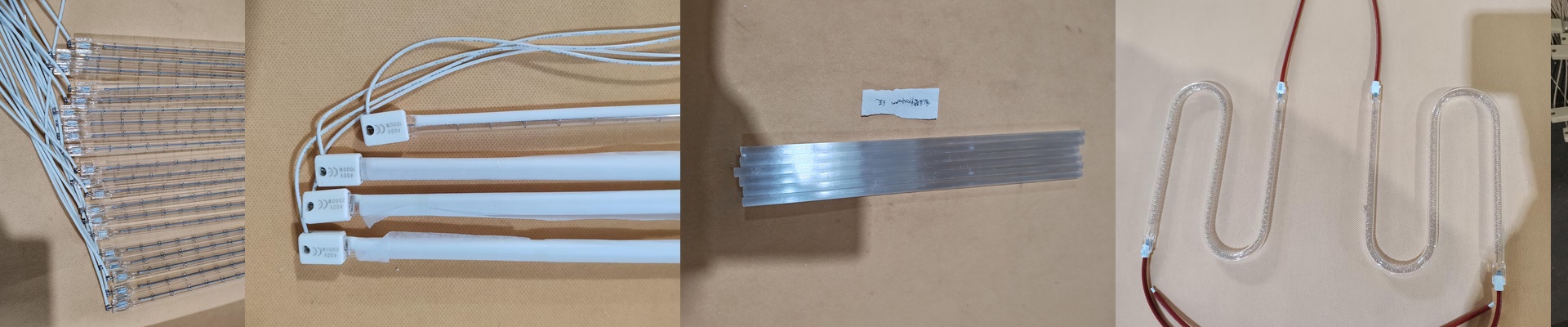
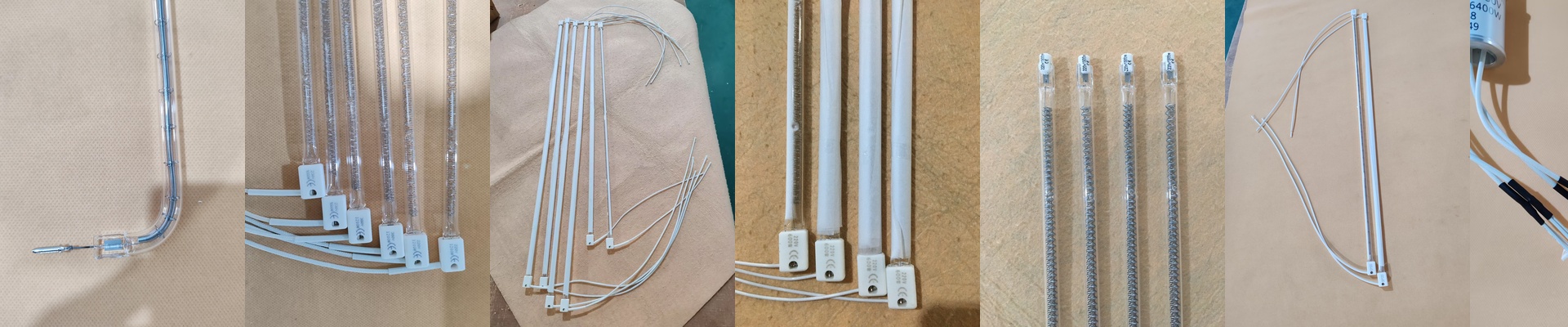
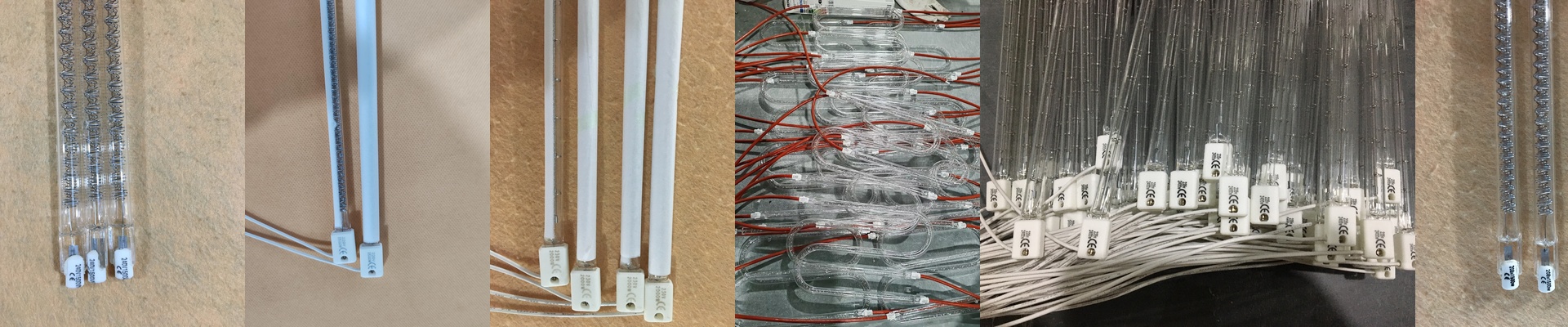
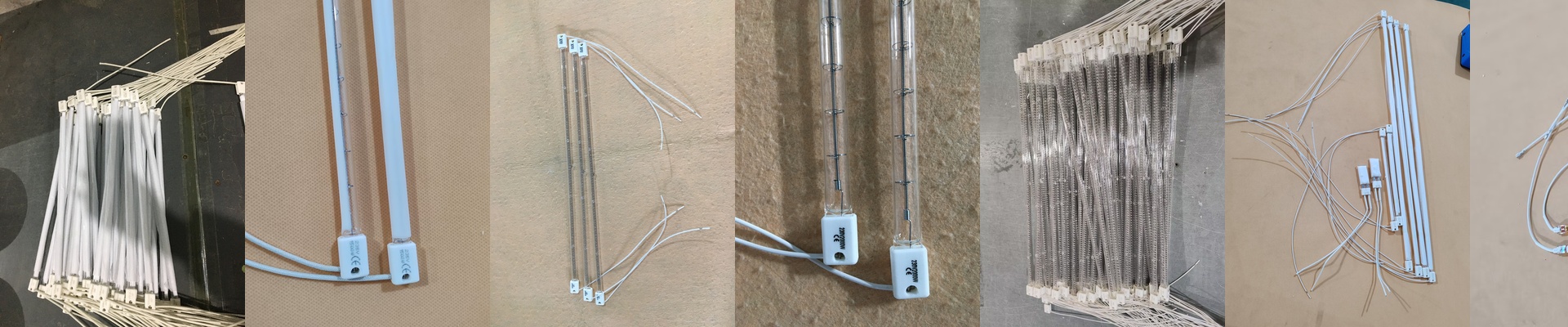
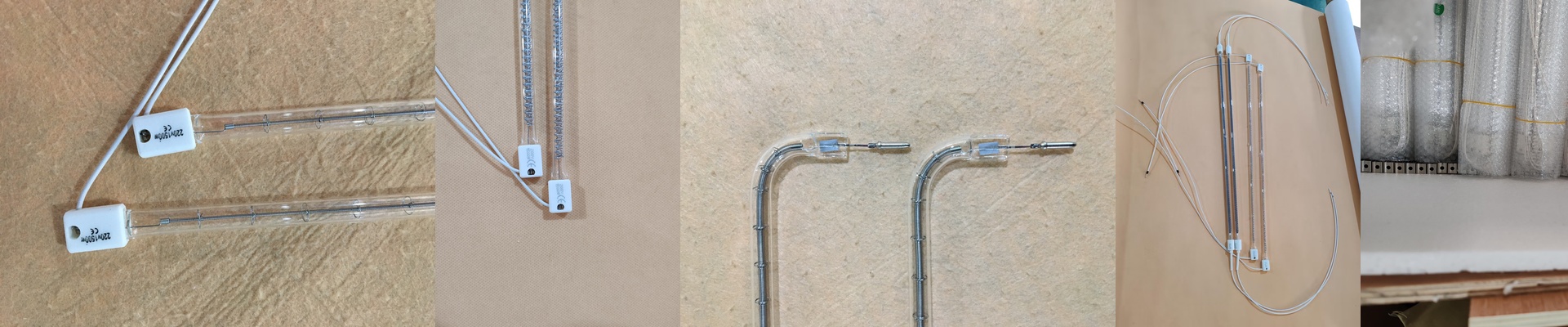
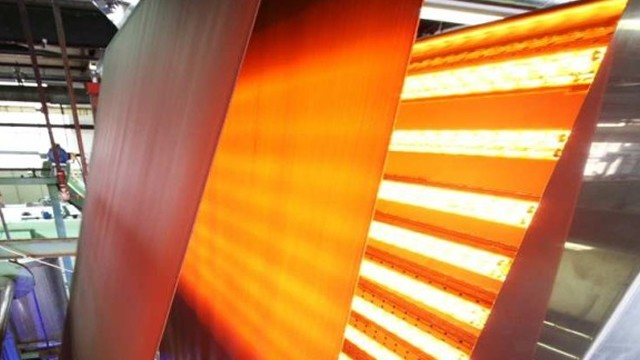
If you’re trying to figure out whether to go with shortwave (SW) or mediumwave (MW) infrared lamps, it really comes down to two things: what your fabric is made of and how fast your line is humming along. We build these things out of high-purity quartz so they don’t shatter under thermal shock, but the real magic—or the headache—is in the wavelength. That’s what decides how the heat actually hits the cloth. Getting deep into the fabric Shortwave lamps run hot. Like, really hot. Because of that, the energy punches right through thick materials or those tricky synthetic blends. If you’re dealing with heavy denim or layers of fabric, SW is your best bet. It hits the material hard and fast. Mediumwave is a different story. These run at lower temperatures, meaning the energy tends to hang out on the surface. It’s perfect for thin fabrics or coatings where you just need to flash-dry the top without cooking the core of the material. The reality of quartz and heat We use quartz glass because it lets the IR radiation through without wasting energy. But here’s the thing: you have to get your cooling right. High-wattage SW lamps create an intense amount of heat in a small space. If your housing isn’t vented properly or your reflectors are covered in grime, you’re going to burn through your lamps way faster than you should. MW lamps are a bit more chill. They run cooler and usually last longer, even if your airflow isn’t perfect. The trade-offs you’ll face You can’t have it all. You can’t get instant heat-up and surgical surface precision in the same tube. SW lamps hit full power almost the second you flip the switch. That’s a lifesaver for intermittent cycles. But be careful—if your belt slows down for a second, that same power can scorch delicate fibers before you even notice. MW gives you a much more controlled, steady heat soak. One last tip on the wiring: make sure your power supply matches the voltage drop across the length of the tube. If they don’t match, you’ll get hot spots. And hot spots are exactly what cause quartz to crack.