
Stop Guessing When Your Heating Lamps Will Blow
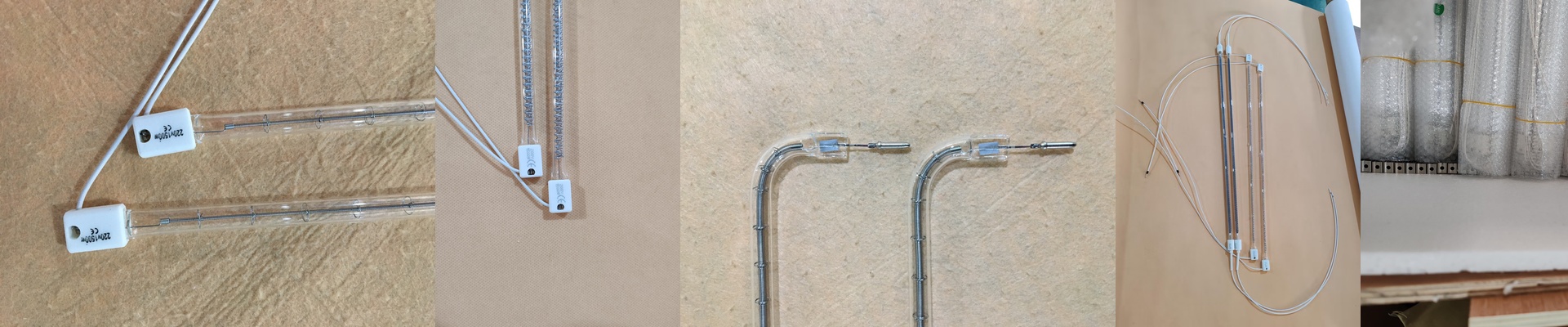
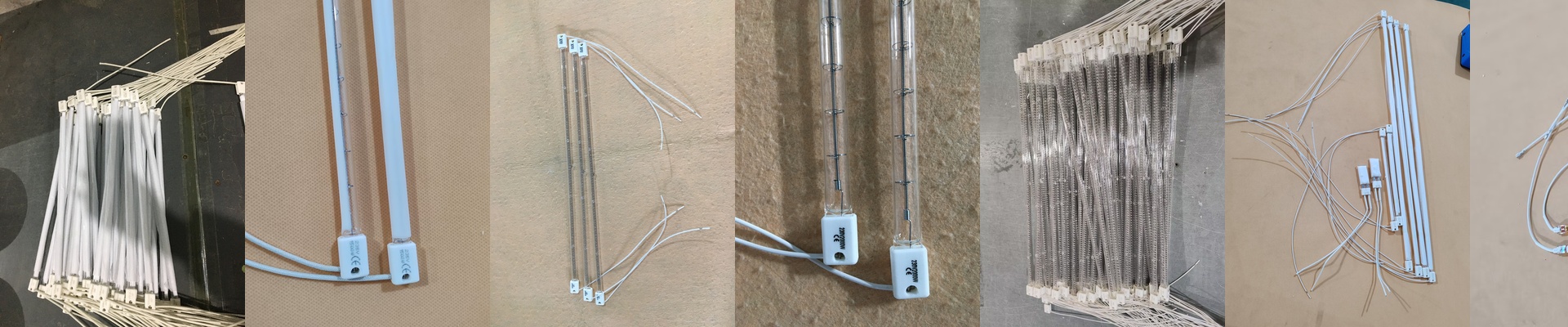
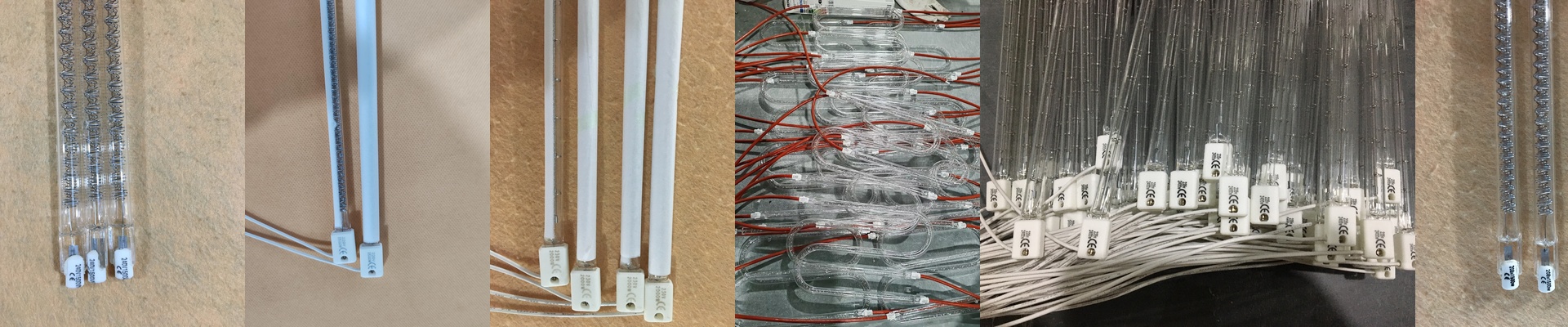
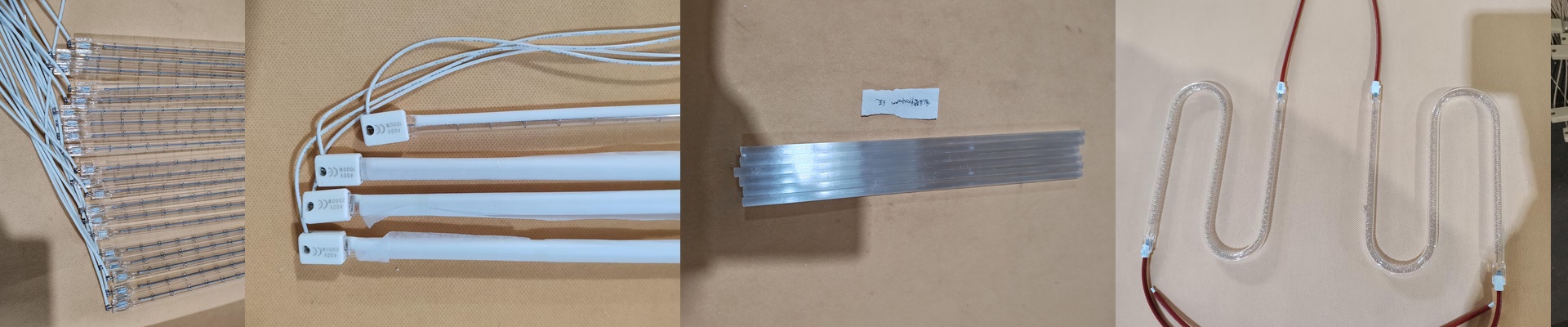
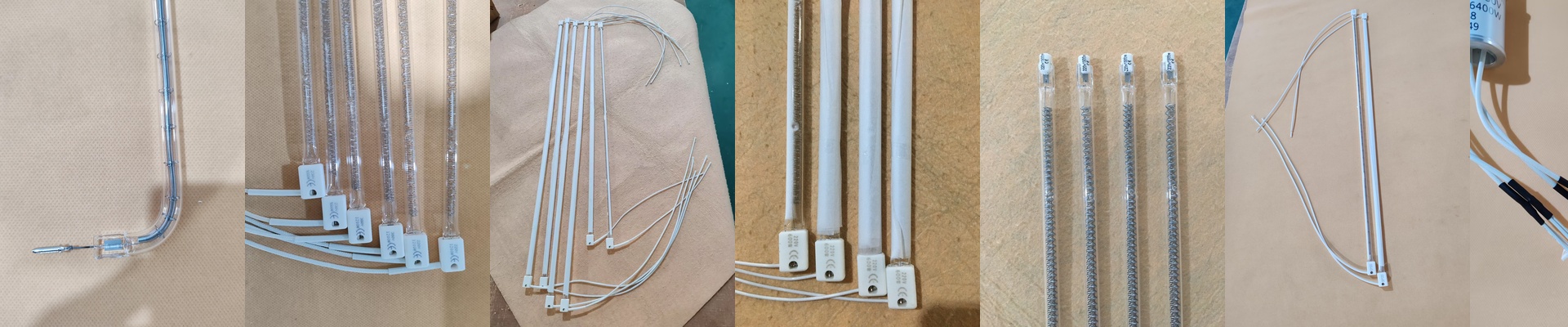
For a long time, textile heating has been pretty primitive. You put in a lamp, you run it until it burns out, and you hope it doesn’t happen in the middle of a massive production run. There’s nothing worse than a tube popping and ruining an entire batch of fabric because nobody knew it was dying. We’re moving past that. The goal now is a system that actually tells you how it’s feeling in real-time. The Gear It starts with the hardware. We usually go with shortwave quartz halogen tubes. To get the kind of heat you need for high-speed curing without taking up half the factory floor, we push the voltage higher—usually between 230V and 400V. We use R7s or Sk15 connectors so you can just swap them in and out. Simple. But the real magic is happening right at the socket. How it actually works Here’s the thing: every lamp has a predictable electrical “heartbeat.” We put current and voltage sensors directly into the circuit to keep an eye on that heartbeat. As the filament gets thin or the quartz starts to degrade, that electrical signature shifts. It’s subtle, but the system catches it. Instead of a sudden blackout, you get a warning on your screen. You’ll know a lamp is about to go long before it actually pops. The Heat Struggle Now, there is a catch. High-wattage tubes are great for fast ramp-up times, but pushing 2500W through a tiny tube is brutal on the housing and reflectors. It gets hot. Really hot. If your cooling fans aren’t up to the task, the sensors will trigger a thermal shutdown just to keep the electronics from frying. It’s a safety net, but it means your airflow has to be spot on. Why this matters You can finally stop guessing. Most shops just replace every single lamp every six months “just in case.” That’s a waste of money and perfectly good tubes. With this setup, you only swap the ones that are actually failing. Plus, if you hook it up to a PLC, you get a clear map of exactly what’s happening across your entire line. No more surprises. Just a smooth run.