Getting Your Textile Heating Right
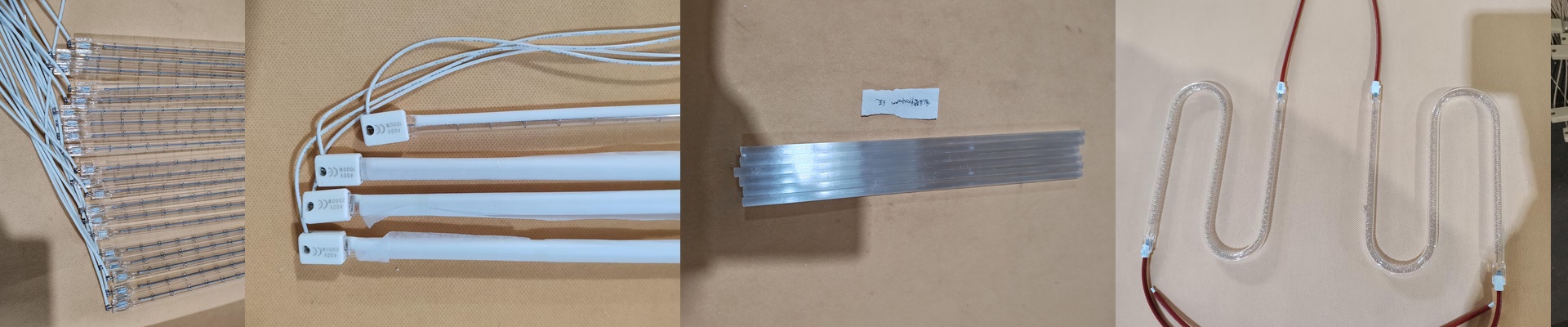
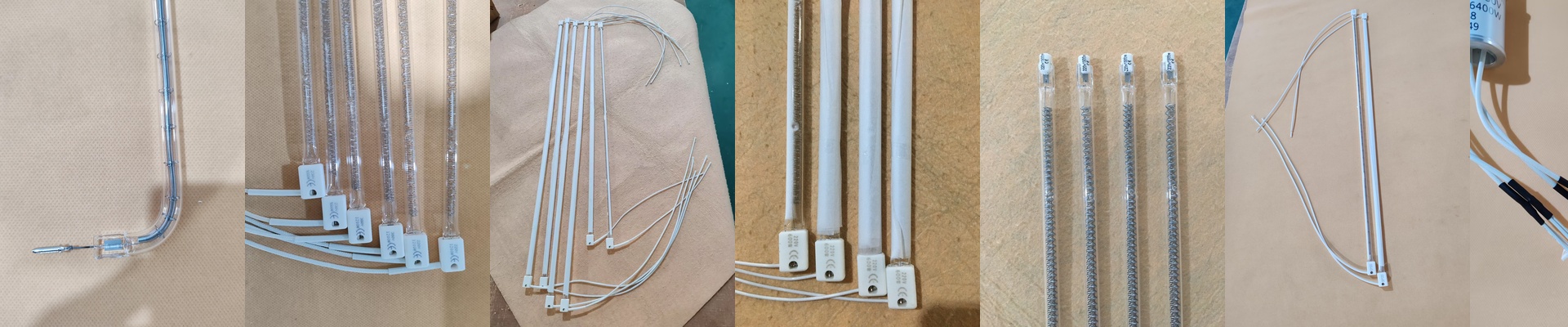
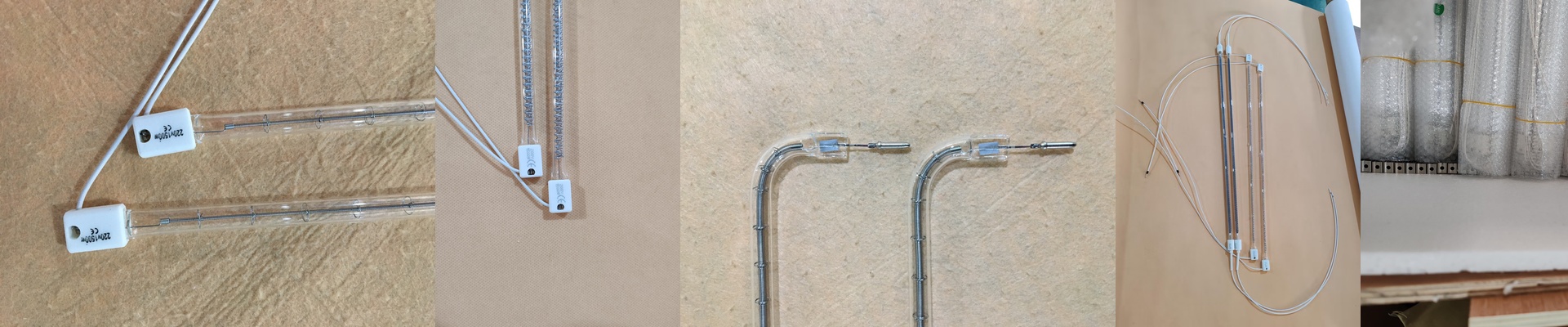
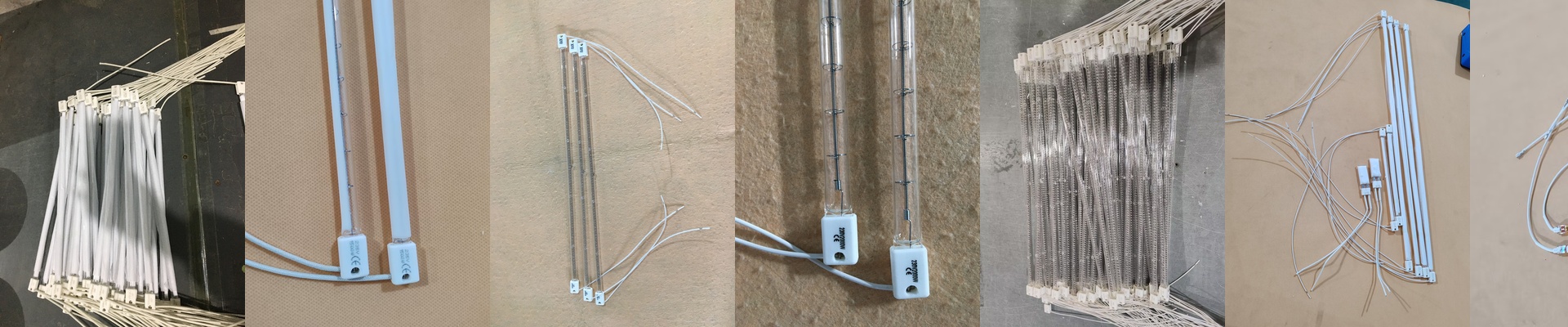
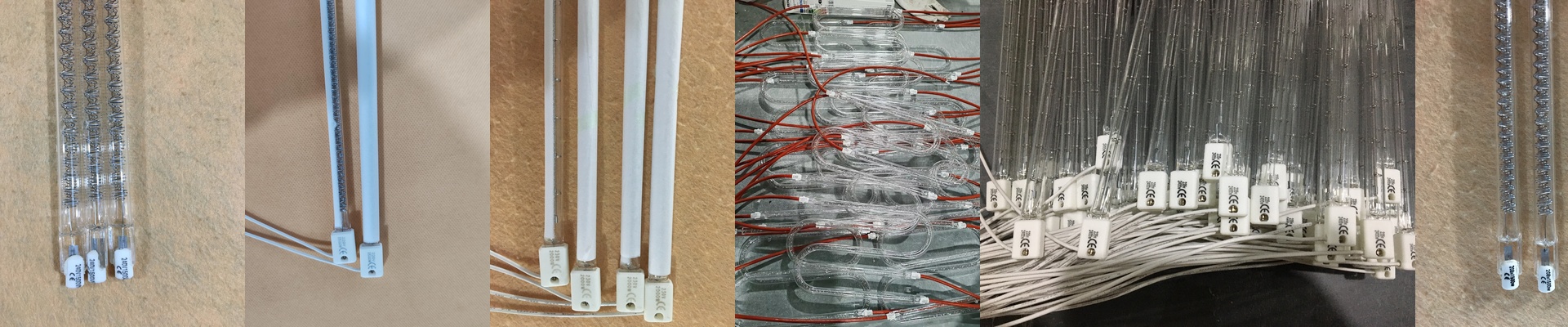
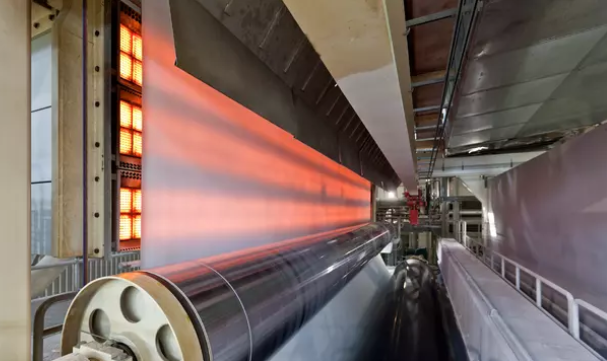
Drying and curing fabric is a bit of a balancing act. You need enough heat to get the moisture out, but if you push it too hard, you’re just scorching your materials. It’s a frustrating line to walk. We spent ten years figuring this out. We started by putting together other people’s parts, but eventually, we decided to build our own infrared (IR) lamps. We had one goal: make something that worked as well—and lasted as long—as the big-name global brands. The secret is in the punch. We design our lamps to handle high wattage over specific lengths. Why? Because you want a consistent heat footprint. When you use a high-voltage tube, you get a concentrated thermal punch. That’s what lets you speed up your production line without sacrificing quality. Just a heads-up: make sure your power supply actually matches the lamp’s voltage. If they’re out of sync, you’ll burn through your filaments way faster than you should. What’s inside the glass? We use high-purity quartz glass to hold the tungsten filament. It’s tough. It can handle the shock of being turned on and off rapidly without cracking. Then there’s the halogen cycle. Instead of letting the tungsten degrade the filament, the halogen keeps it deposited on the glass walls. It’s a simple trick, but it makes the lamps last much longer. For some jobs, we add special coatings to that quartz. This shifts the heat so it targets the water molecules in the fabric directly. It stops the heat from just leaking away into the air, which saves you money and time. Making it work in your shop We don’t believe in making things complicated. We use standard R7s and Sk15 connectors, so these are basically drop-in replacements. You can just wire them into your existing housing and get back to work. But here’s the thing: high-output lamps gethot. Really hot. If your cooling fans or vents aren’t up to the task, your connectors can overheat. If you’re running 24/7, airflow is everything. Keep them cool, and they’ll keep running.