
Getting Your IR Wavelength Right in Textile Dyeing
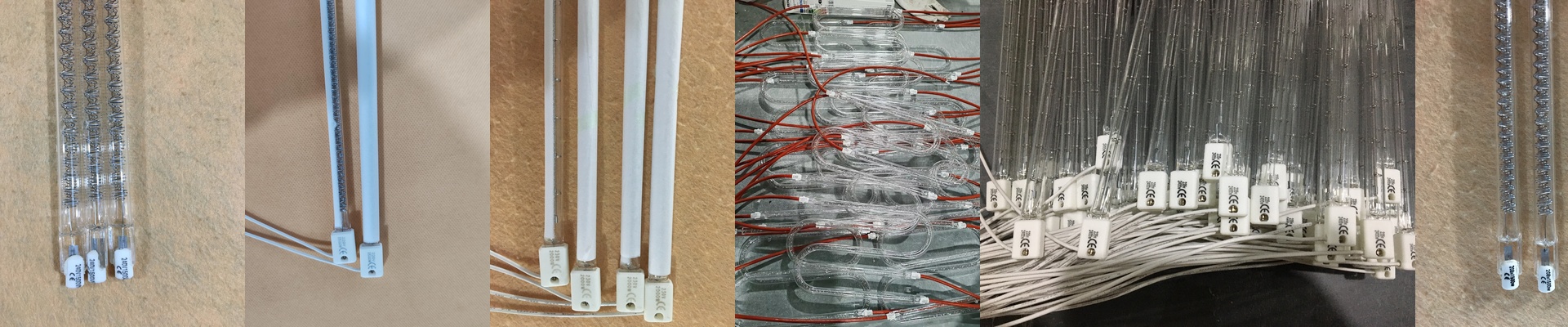
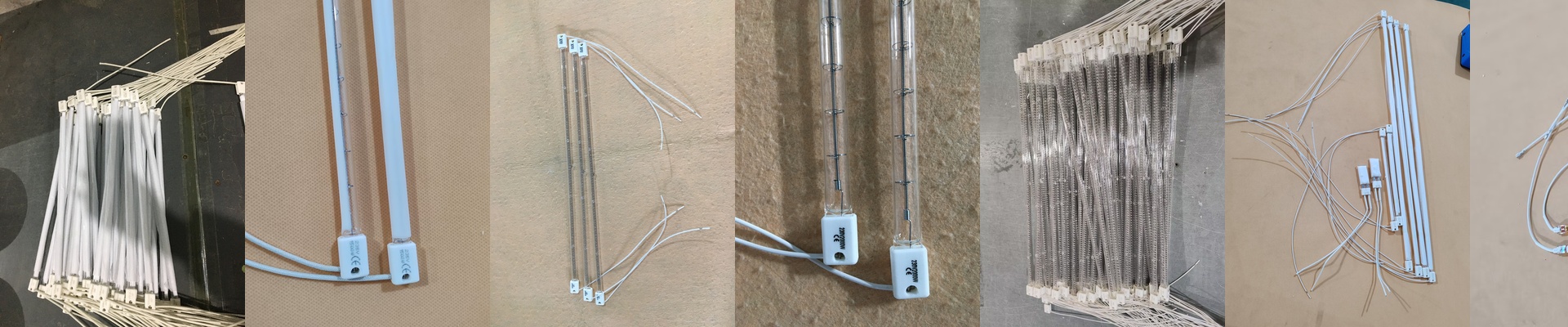
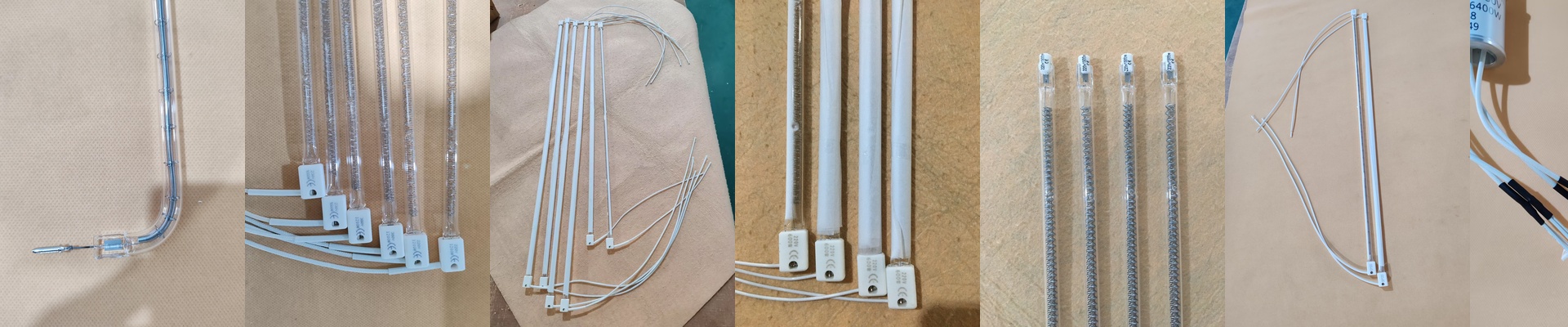
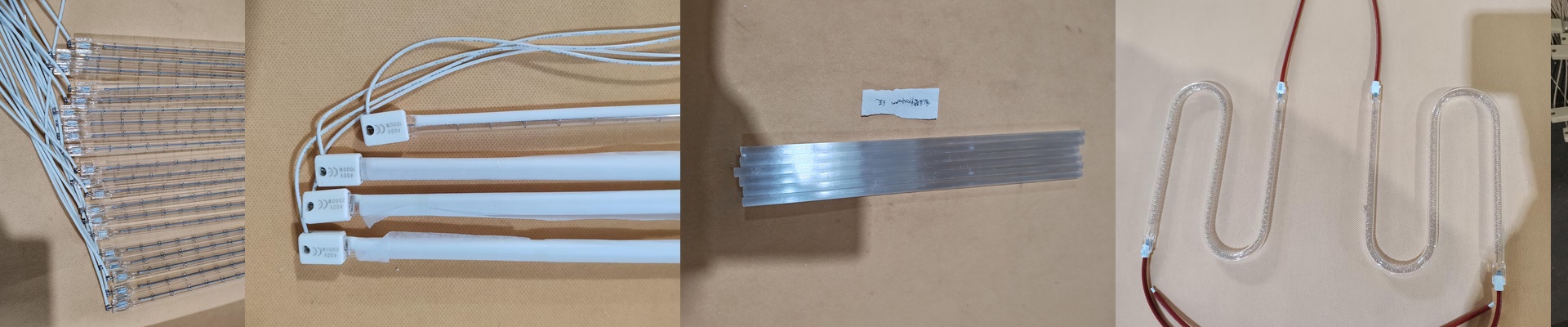
Dyeing fabric is basically a game of heat. You need enough of it to push those pigments deep into the fibers and lock them in place. But here’s the problem: if you just throw a generic IR lamp at the job, you’re wasting a ton of energy. You end up heating the air, the machine frame, and everything else except the fabric. We do things differently. We look at the specific dye and fiber you’re using to find the sweet spot for absorption. That’s how you actually slash your curing times. The “Fingerprint” Problem Think of every dye molecule as having its own unique fingerprint. When the IR wavelength matches that fingerprint, the energy goes straight into the dye. It doesn’t just bounce off the surface. It’s all about the depth. Short-wave IR (SWIR) is your best bet for thick fabrics because it digs deep. Medium-wave (MWIR) is great when you just need to fix things on the surface. If you get this wrong, you’ll see the classic “cold spot” headache—where the surface looks scorched, but the core of the fabric is still under-cured. Not a great look. Tuning for Speed To fix this, we play around with the emitter materials. Usually, that means quartz or ceramic. By using a coated emitter, we can narrow the spectrum and cram all that energy into the 2.0 to 3.0 micron range. That’s where most organic dyes actually live. The win here? You can keep your conveyor temperatures lower but still hit your fixation speeds. You get a faster line without the constant fear of shrinking your fabric. The Reality Check Now, matching the band isn’t a magic wand. It comes with some trade-offs. Those narrow-band lamps put out a massive amount of heat. If you don’t get your cooling blowers exactly right, your housing is going to overheat and fry your wiring. And you have to be obsessive about the gap between the lamp and the fabric. We’re talking millimeters here. If that distance drifts, your energy density drops, and your colors start looking inconsistent. Before you even wire the system up, do yourself a favor: check those mounting brackets for any vibration. It’ll save you a lot of grief later.