Stop Throwing Away Your Curing Lamps
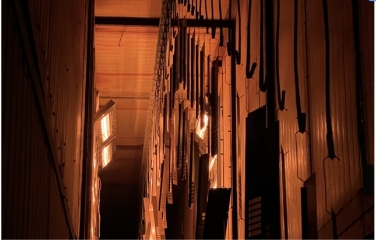
Let’s be honest: nobody likes spending their Friday afternoon swapping out burnt-out lamps in a powder coating line. It’s a pain, it’s messy, and it’s a waste of money. For a long time, the industry just accepted that lamps die every few months. We treated them like lightbulbs—burn it out, toss it in the trash, buy a new one. But that’s a lot of glass and metal hitting the landfill. And more importantly? It’s a lot of unplanned downtime.
The Balancing Act
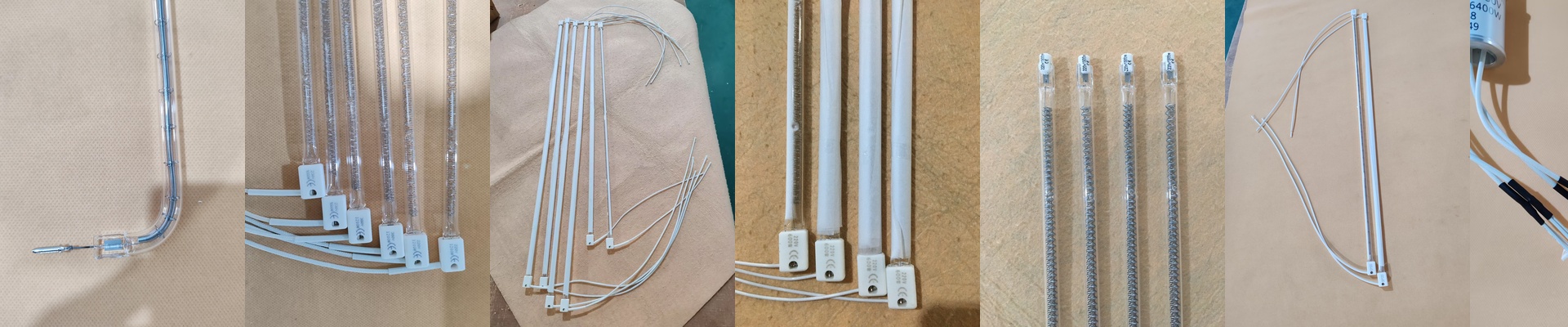
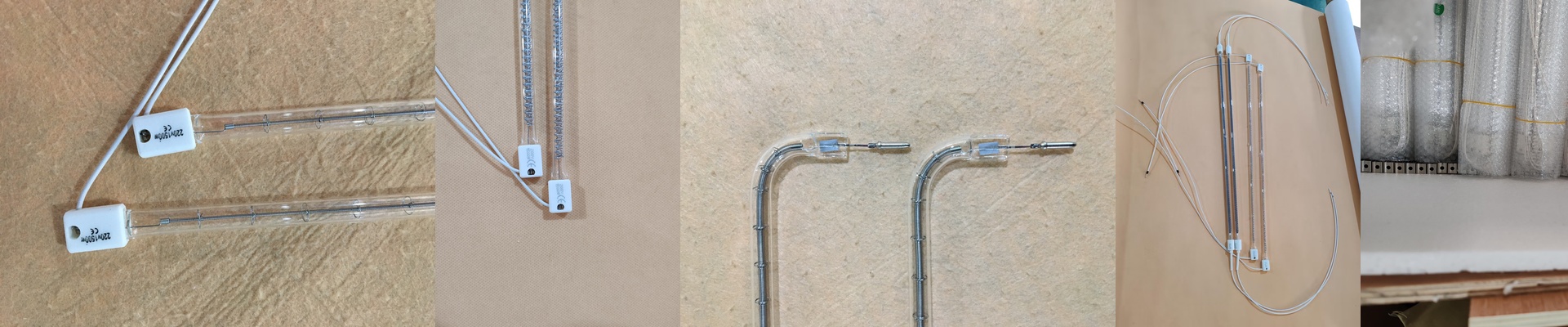
Getting a perfect cure is all about the math of wattage and length. You want that surface temperature to hit the sweet spot—not too cold, not so hot that you’re scorching the part. We use high-wattage quartz tubes because they pump out that intense short-wave infrared energy that melts powder fast. But here is the catch: if you cram too much wattage into a short tube, you’re putting a massive amount of stress on the electrodes. If your power supply is jumping around or unstable, those lamps are going to pop. It’s that simple.
Making Them Last
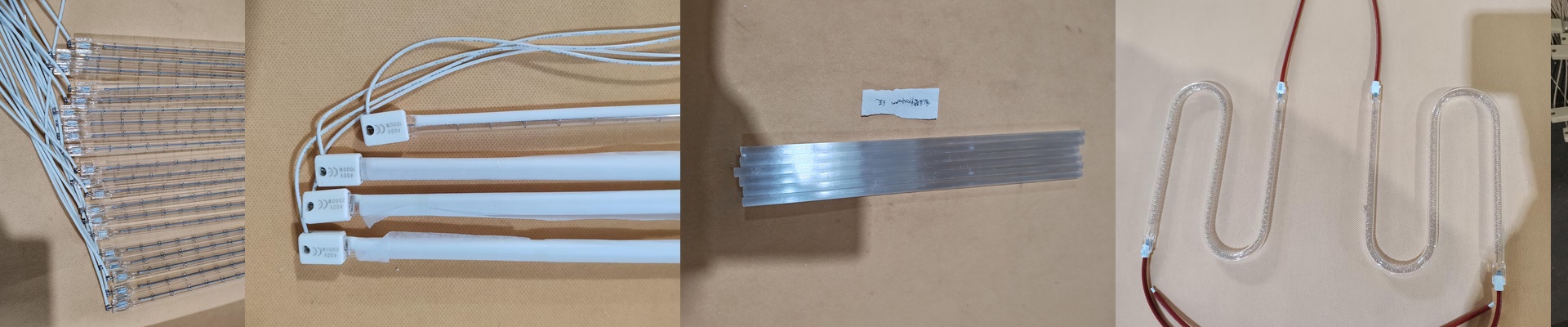
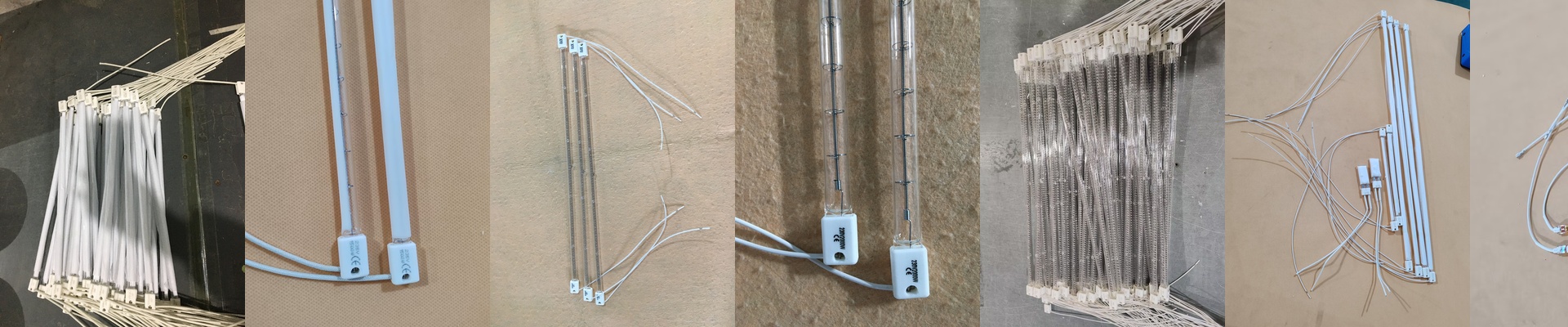
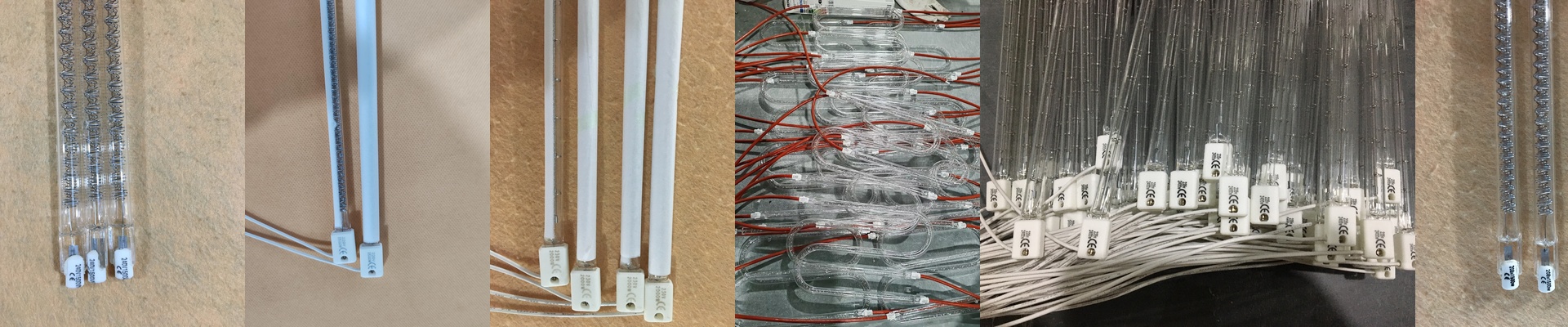
So, how do we actually stop the cycle of constant replacements? First, we start with the guts. High-purity quartz glass and better filament alloys make the difference. These materials can take the “thermal shock” of being turned on and off all day without cracking. We also use specialized coatings to bounce the heat back toward your parts. It’s a simple trick, but it keeps energy from leaking out of the oven. One more thing: check your connectors. Whether you’re using R7s or Sk15, they have to betight. A loose connection causes arcing, and arcing kills the ends of your lamps.
Real-World Results
When you move to a long-life design, your shop just feels different. You aren’t scrambling for spare tubes every quarter. You’re dealing with less hazardous waste and a much cleaner workflow. Just remember: the best lamp in the world can’t fight physics. If your reflectors are caked in powder overspray, the heat isn’t getting to the part. Keep your optics clean, make sure your transformer is steady, and these units will actually survive through multiple production cycles. It’s just common sense engineering.