Getting the Light Right for Your Textiles
We don’t just put together lamps and call it a day. We tune them. Think of it like tuning a guitar. In our lab, we’re obsessed with the spectral distribution. Why? Because if the lamp’s emission peak doesn’t line up with the way your fabric or dye absorbs energy, you’re just wasting electricity heating up the air in the room. It’s frustrating, expensive, and completely unnecessary.
The Trick to Selective Absorption
Here’s how we do it. We play around with the quartz mix and the gas we fill the lamps with to shift the IR output. By tweaking the filament temperature and the coating on the envelope, we can hit exactly the right spot—whether you need short-wave or medium-wave IR. This is the secret to getting heat deep into heavy fabrics without scorching the surface. We don’t guess, either. We use a spectroradiometer to make sure the energy is hitting the exact micron range your curing process needs.It just works.
Dealing with Heat and Heavy Loads
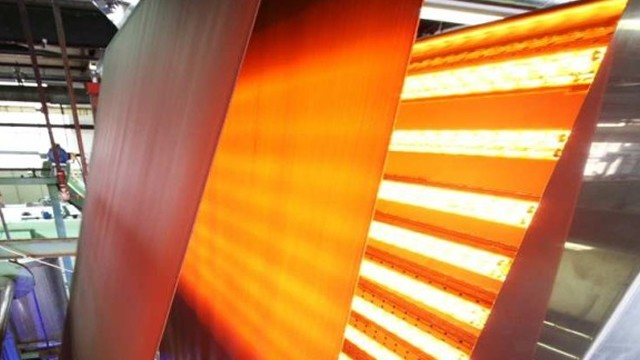
When you’re running high-wattage lamps, you’re dealing with a massive amount of heat flux. If your reflectors aren’t spec’d correctly, you’ll get hot spots. And hot spots mean burnt fabric. That’s a nightmare for any production line. We spend a lot of time making sure the filament is centered perfectly. If it wanders by even a single millimeter? Your heat distribution is ruined. And look, there’s always a trade-off between power and lifespan. You can crank the voltage to the absolute max to hit your targets faster, but you’ll burn through your filaments way quicker. We usually suggest undervolting them just a bit. You still get a stable thermal profile, but your lamps actually last.
Making it Fit
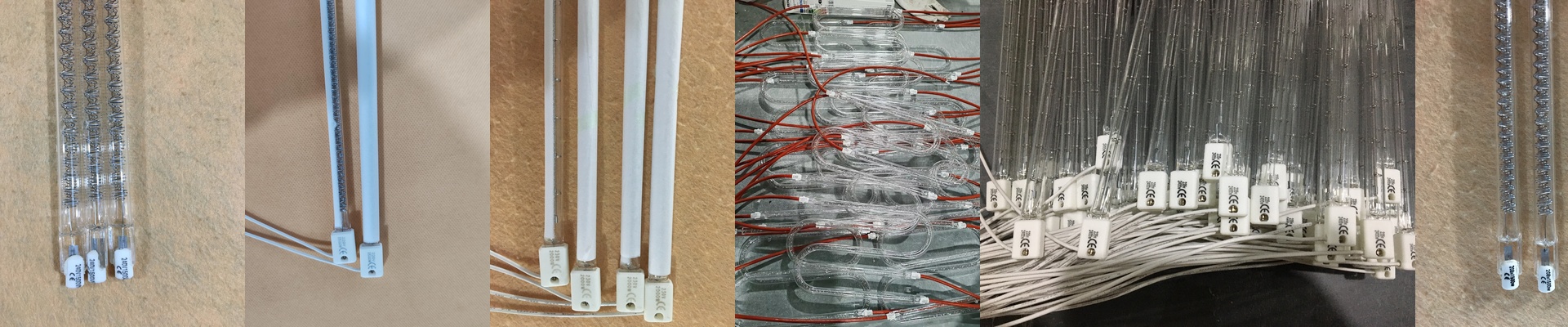
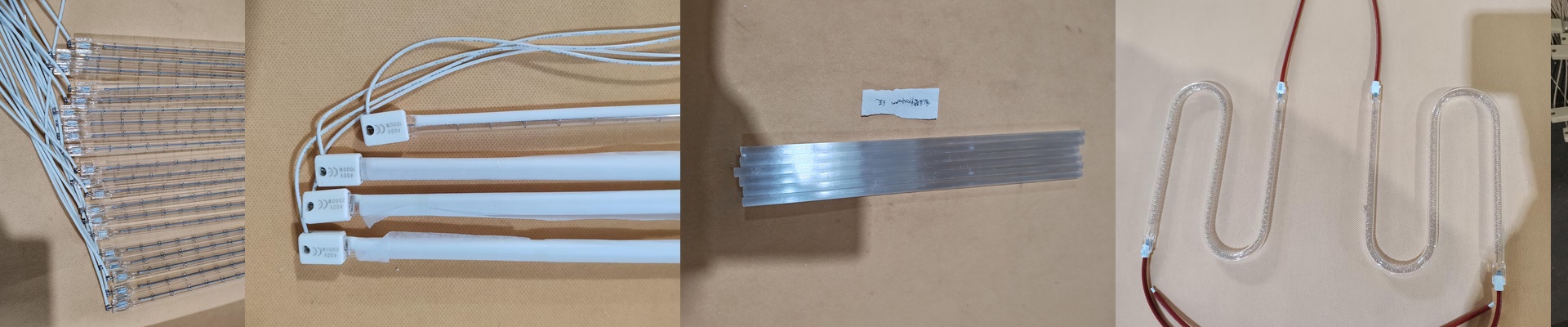
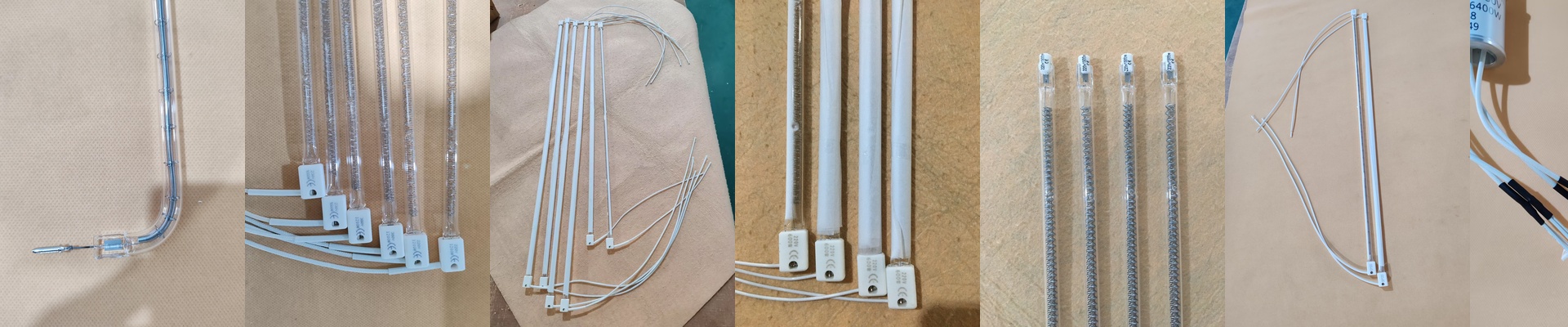
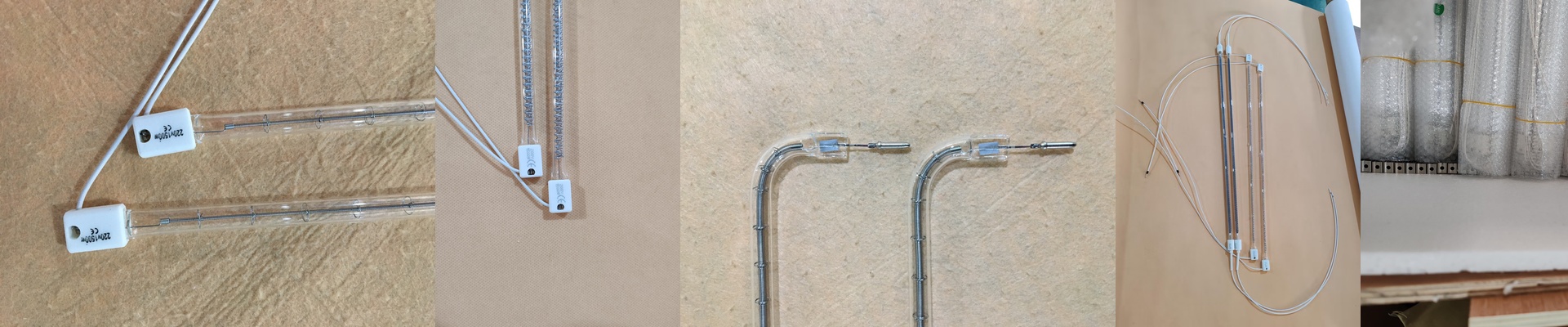
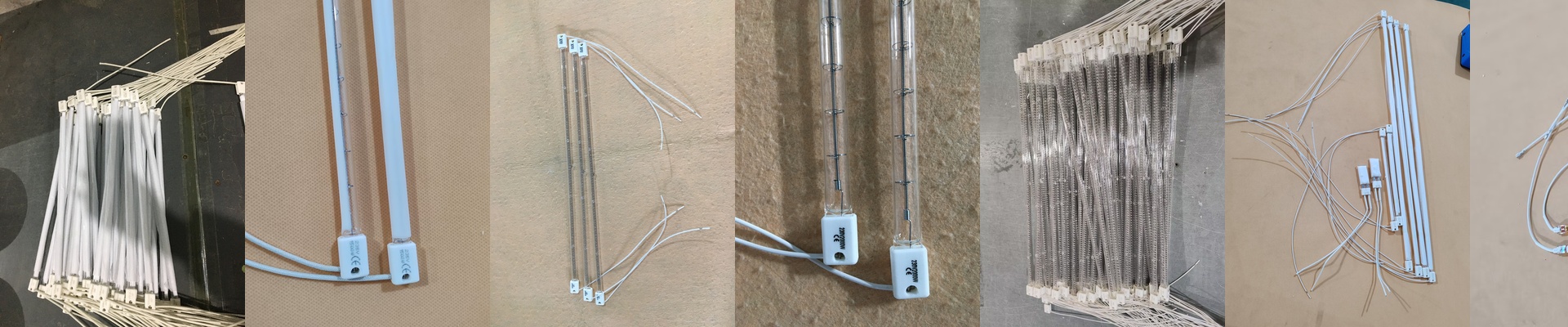
Our lamps are built to be simple drop-in replacements for standard industrial frames. No fuss. We focus on the basics: a tight mechanical fit and stable electrical contacts. I’ve seen too many lamps fail early because of poorly seated connectors causing arcing at the end caps. My advice? Keep your sockets clean. Make sure your wiring can actually handle the current draw. It prevents those annoying voltage drops across the line and keeps everything running smooth.