Getting Industrial Curing Right with Infrared
When you’re powder coating, you’re walking a tightrope. You need enough heat to get that cross-linking just right, but if you overdo it, you’re just scorching your parts. That’s why we spend so much time obsessing over shortwave infrared (SWIR). Unlike medium or longwave heat, SWIR cuts straight through the coating. It’s fast. Really fast. And that means your parts spend way less time sitting in the oven.
The Secret is in the Spectrum
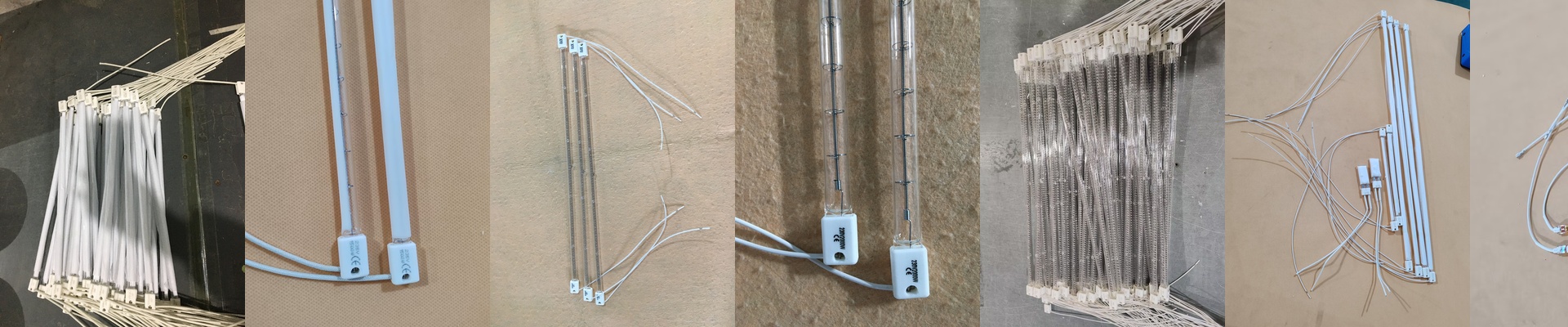
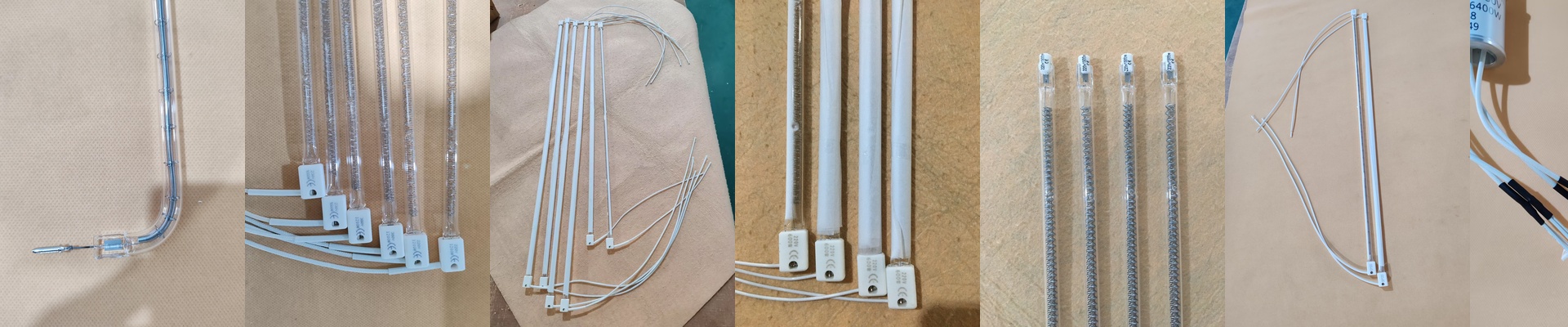
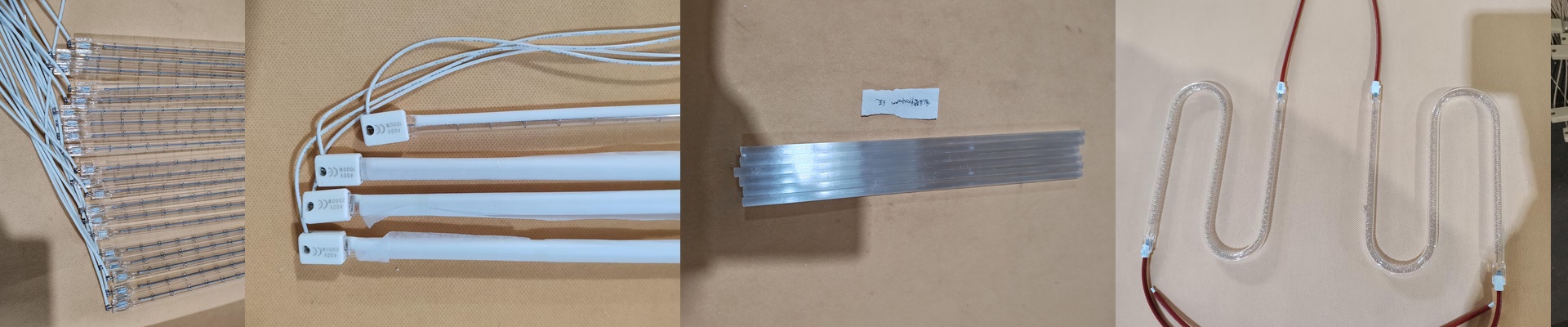
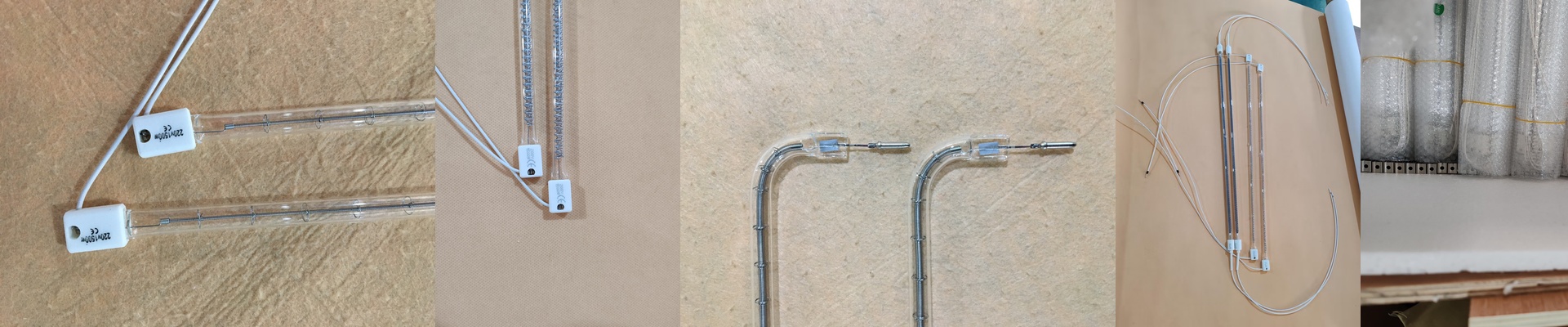
In the lab, we play around with the quartz heating elements to get the wavelength exactly where it needs to be. We tweak the tungsten filament density and the halogen gas pressure to shift the peak. Here’s the thing: a shorter wavelength means the heat hits the metal part directly. You aren’t wasting energy heating up the air around the part. You get a much faster ramp-up. Because the energy is so concentrated, you can actually use a smaller oven. But be careful. If you cram too much wattage into a tight space, you’ll start cooking your conveyor rails. Make sure your cooling system can actually handle that extra heat load, or you’re going to have a bad time.
Why the Hardware Matters
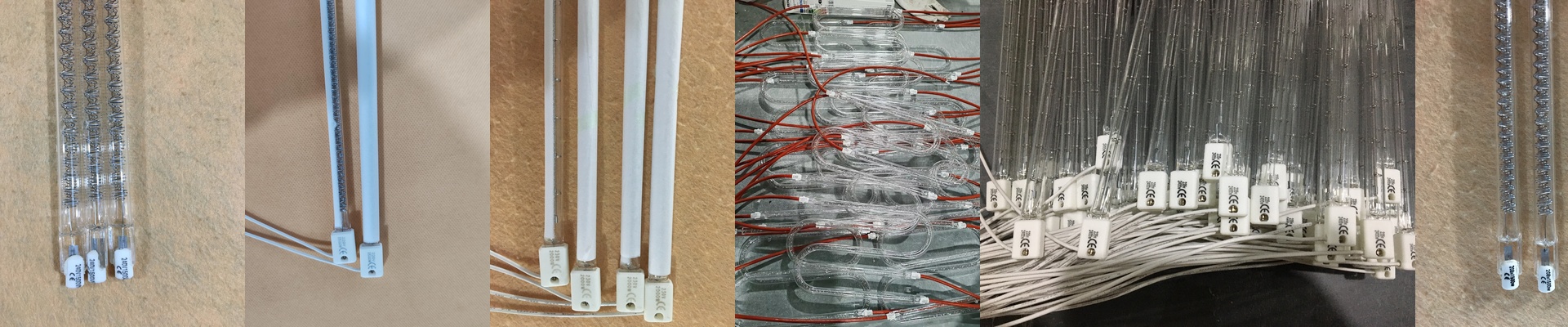
We use high-purity fused quartz for the filaments because it can take a beating. When you cycle heat on and off rapidly, materials expand and contract. This stuff handles that stress without cracking. We also use specific connectors, like R7s or Sk15. It’s not just about making sure they plug in. It’s about the electrical contact. If a connection is loose, you get a hot spot. And a hot spot will melt your housing before you even realize there’s a problem.
Killing the “Cold Spot” Problem
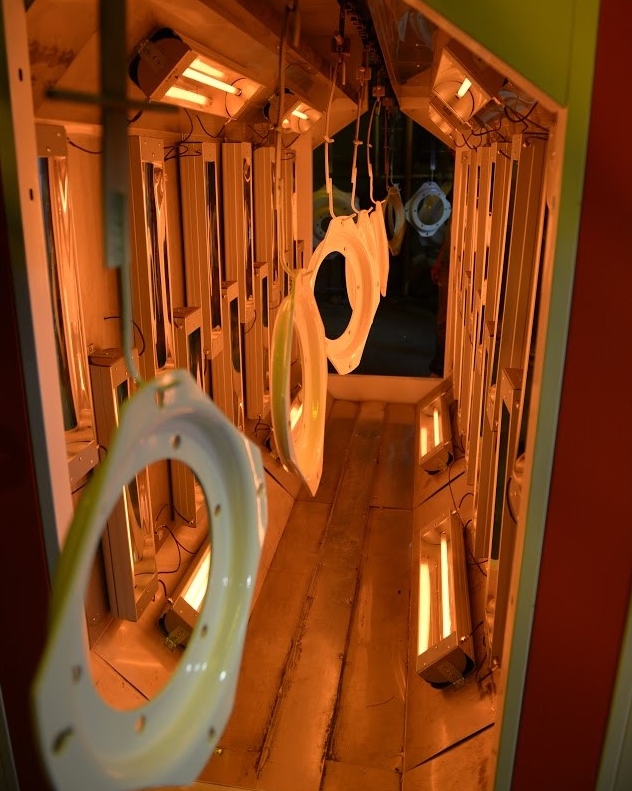
If you’ve ever worked with large curing tunnels, you know the nightmare of cold spots. You pull a part out and half of it isn’t cured. We fix this by mapping out the radiation patterns and overlapping them perfectly. By tuning the voltage and the length of the tubes, we make sure the heat is totally even across the whole surface. No more running parts through twice. You just wire it up, set your timer, and let the SWIR do the heavy lifting. It’s a trade-off, though. You get way more throughput, but you have to be strict with your power supply. If your power spikes, you’ll blow the filaments. Simple as that.