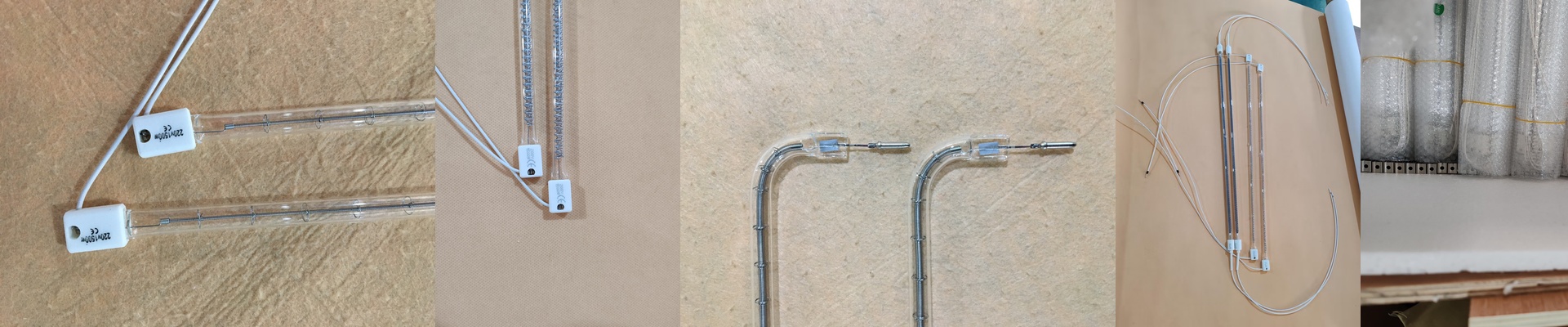
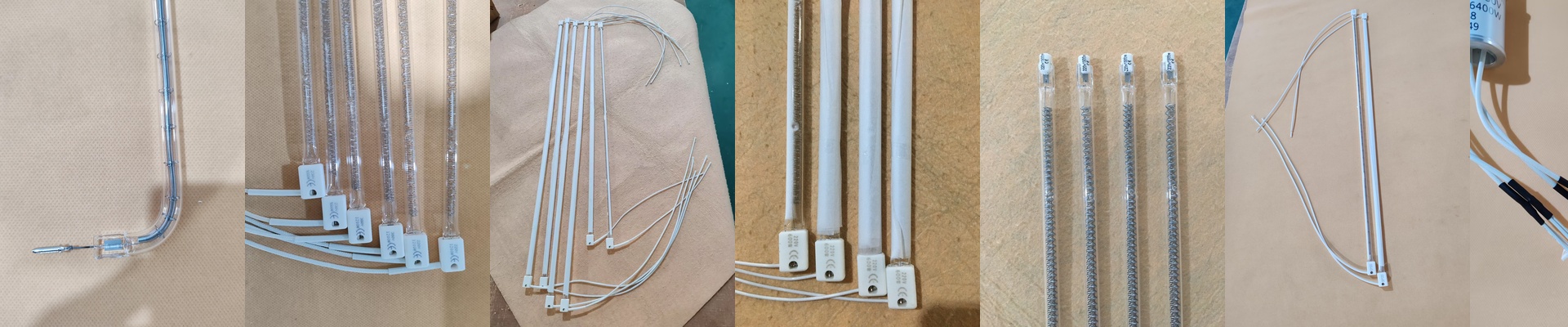
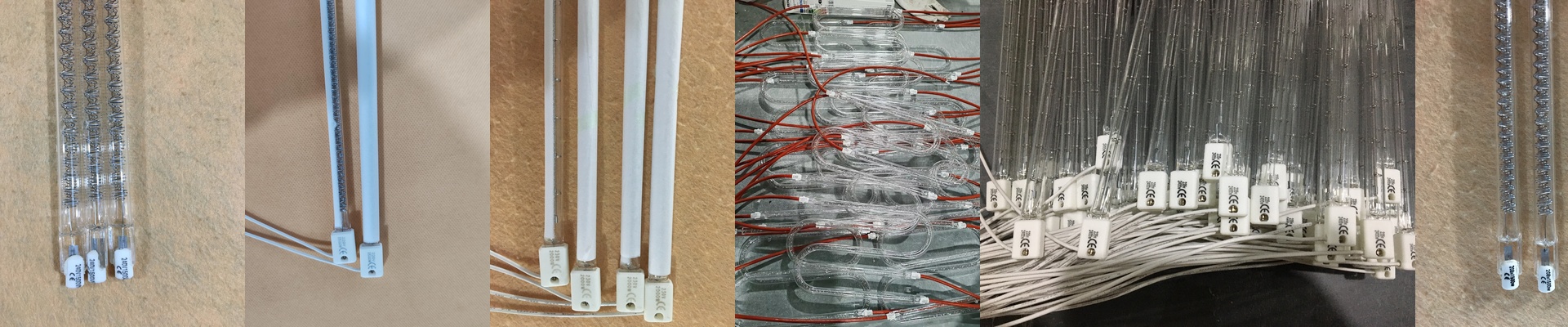
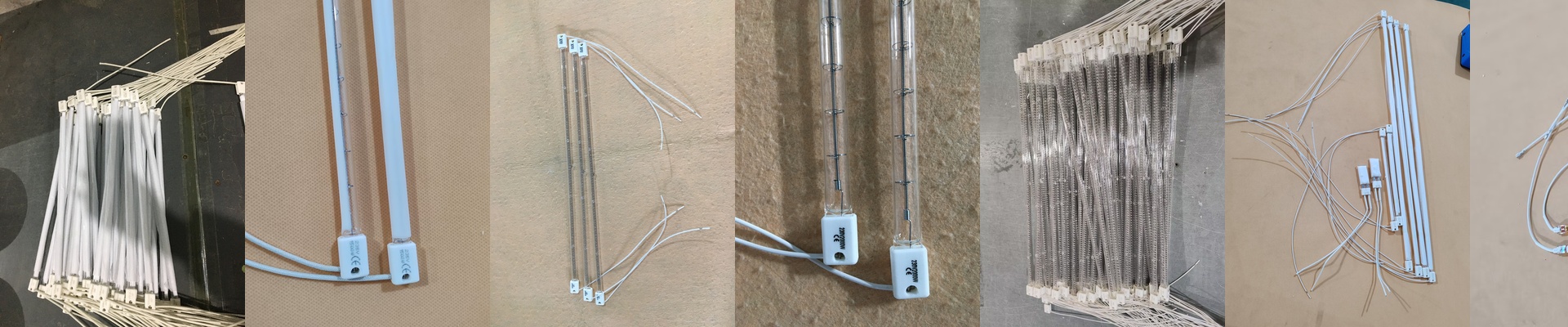
Can you actually fix an old powder coating line just by swapping the IR elements?
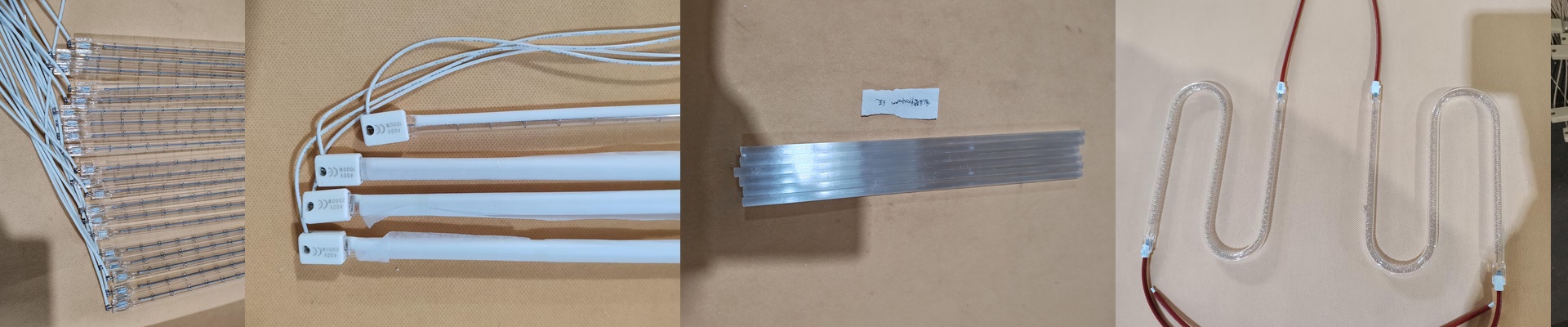
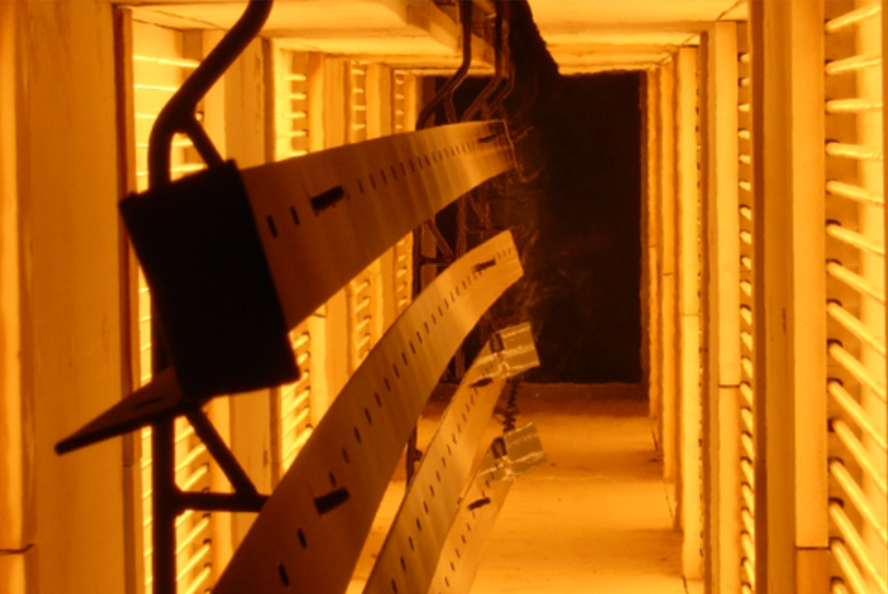
Let’s be honest: old curing ovens are usually energy hogs. They leak heat, the cycles are all over the place, and you just know you’re paying for electricity that isn’t even hitting the parts. When you’re staring at a line that’s seen better days, you have to ask yourself: is it worth just swapping out the infrared (IR) elements, or are you just putting a band-aid on a bullet wound? Do you really need to rip the whole thing out and start over? Here is the deal with the physics. Old lamps get tired. The filaments degrade and the quartz gets cloudy, which means they aren’t pushing heat the way they used to. When you drop in modern shortwave or medium-wave elements, everything changes. The heat hits the powder faster. It triggers that cross-linking process immediately instead of wasting half your power heating up the oven walls. But don’t just go out and buy the most powerful lamps you can find. I’ve seen plenty of folks try to “over-spec” their new lamps to make up for a leaky oven.**Don’t do that.**If you shove 30% more power into an old chassis without checking your electrical panels, you’re asking for a tripped breaker or, worse, melted wiring. You have to stick to the voltage and amperage your controllers can actually handle. And a quick heads-up: if you move from old quartz tubes to halogen-filled ones, your ramp-up time will plummet. That’s great for production, but it means your cooling fans have to work a lot harder when the line stops. So, is it worth it? Usually, yes. A simple swap cuts down the “soak time”—that annoying window where you’re just waiting for the part to get up to temp. We typically see energy bills drop by about 15-20% because the oven isn’t fighting against heat loss for nearly as long. It’s a simple move. You keep your conveyor, you keep your floor layout, but your heat profile feels brand new. It won’t turn a 20-year-old oven into a spaceship, but it definitely stops the bleeding.