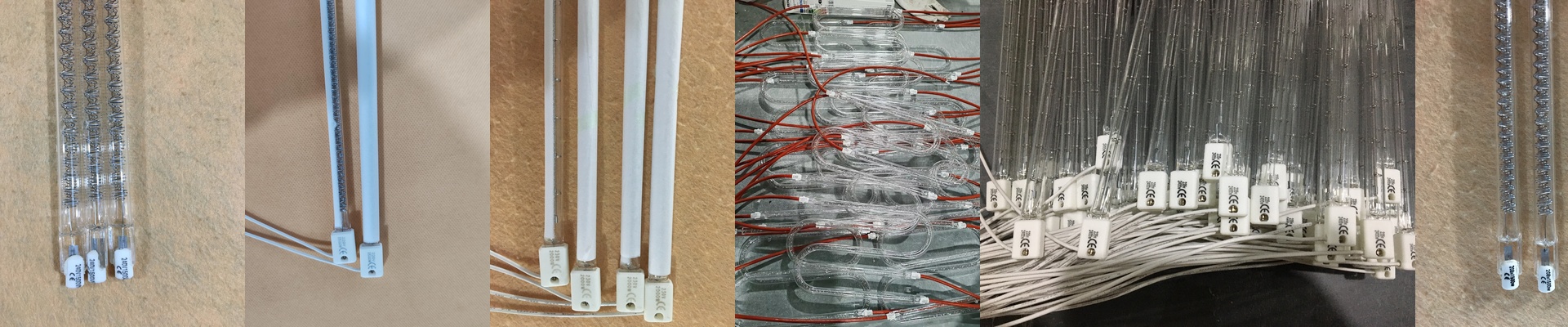
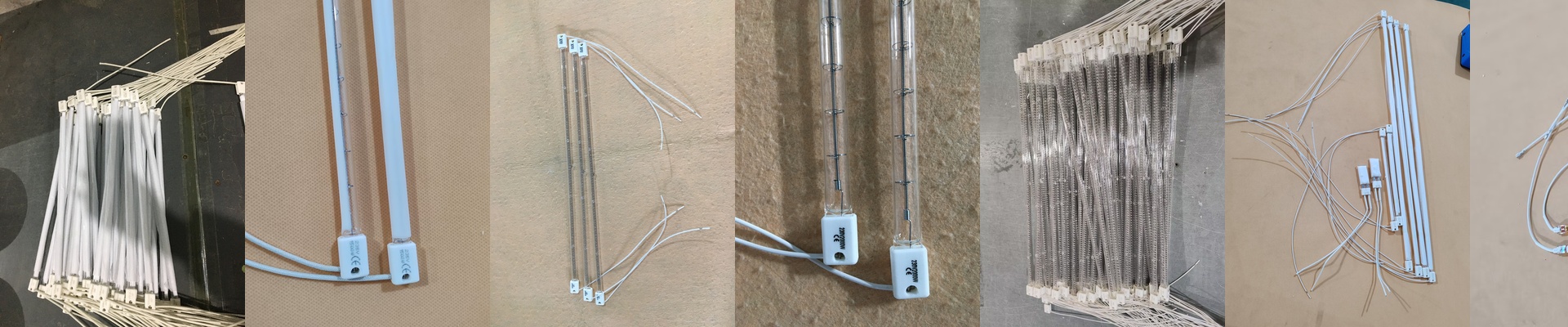
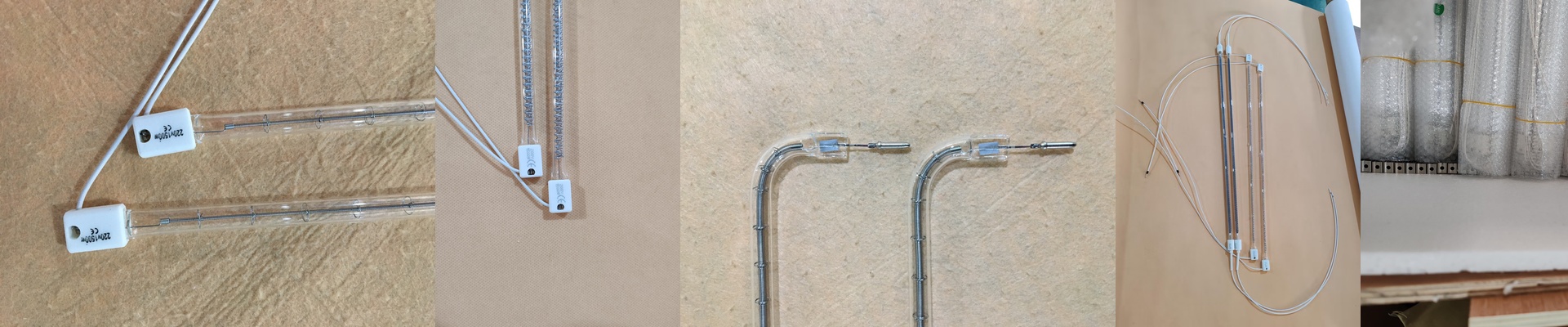
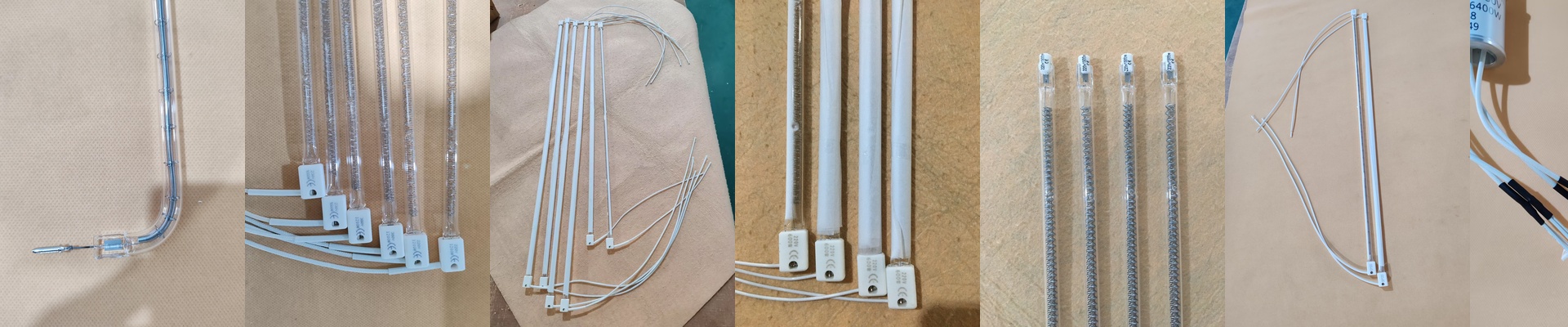
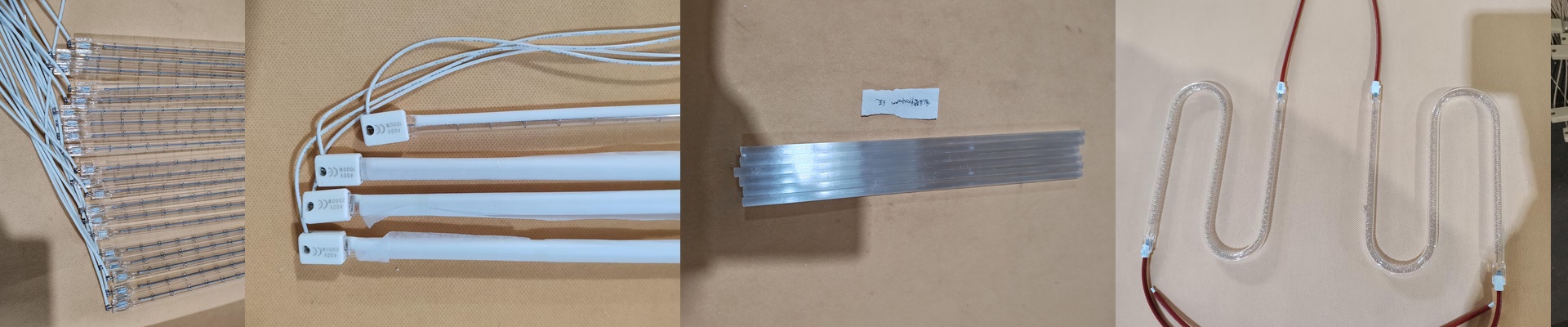
Thinking About Switching Your IR Lamps for Alloy Wheels?
Most of us start out with the OEM infrared setup that came with the line. It works fine—until the lamps start burning out. Then you see the quote for the official replacements and suddenly, looking for a domestic alternative doesn’t seem like such a gamble. When you’re curing alloy wheels, you’re walking a tightrope. You need enough heat to set the coating fast, but not so much that you warp the metal.
Why shortwave IR actually works
Alloy wheels are awkward shapes. They have nooks and crannies that make heating a nightmare. That’s why we lean on shortwave infrared. It hits the paint hard and fast, penetrating deep into the layer. It stops that annoying “skinning” effect—where the top looks dry and perfect, but the underside is still wet and tacky. But here’s the catch: you can’t just cram as much wattage as possible into a tiny quartz tube. If you push it too hard, the filament will snap way sooner than it should. It’s all about finding that sweet spot between raw power and how long the lamp actually lasts.
Getting the specs right (so you don’t blow anything up)
A “drop-in replacement” isn’t as simple as matching the length of the tube. You’ve got to be dead-on with the voltage and wattage. If you try to plug a 400V lamp into a 230V system without swapping the transformer, you’re going to have a very bad day and a blown circuit. We also obsess over the connectors. Whether it’s a standard R7s or some custom lead, the fit has to be tight. If it’s loose, you get arcing at the contact point, and that’s just a recipe for failure.
The real-world trade-off
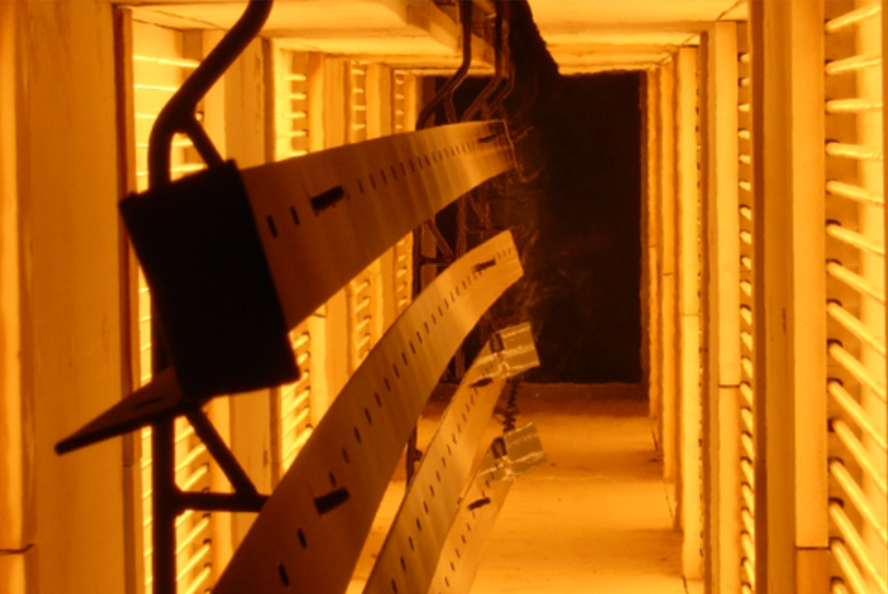
Domestic lamps can absolutely hit the same heat levels as the OEM stuff, but you have to keep an eye on the thermal load. High-output tubes run hot. Really hot. If your conveyor is moving too slowly, those wheels can overheat, and you’ll end up with ugly discoloration. You might find yourself tweaking the timing or cranking up the airflow to balance out the intensity of the new lamps. My advice? Don’t swap the whole line at once. Run a few racks first. Dial in the cure time, make sure the finish is clean, and then do the full swap.