Shortwave vs. Medium-Wave: Picking the Right IR Lamps for Alloy Wheels
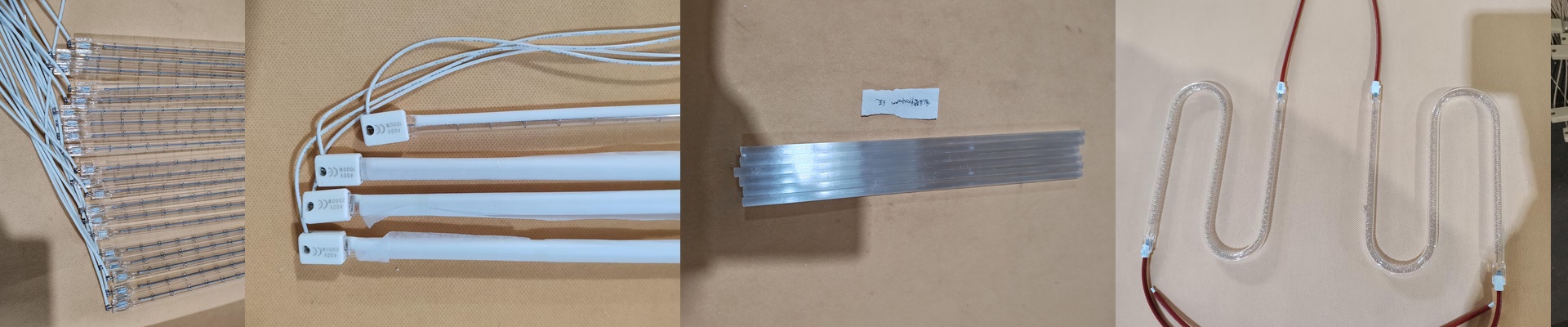
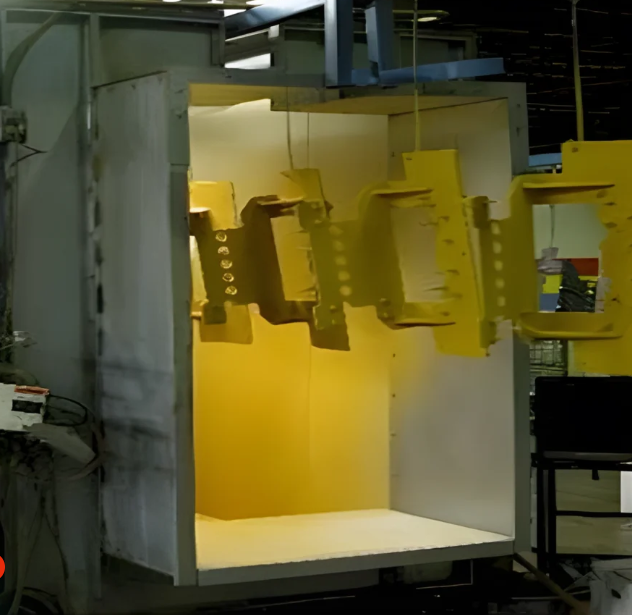
Getting powder coatings to cure on alloy wheels is a bit of a balancing act. You want the surface to look perfect, but you also need the heat to actually soak in and bond to the metal. Usually, when you walk into a shop, you’ll see three setups: shortwave, medium-wave, or twin-tube lamps. They all get the job done, but they do it very differently.
The deal with wavebands and heat
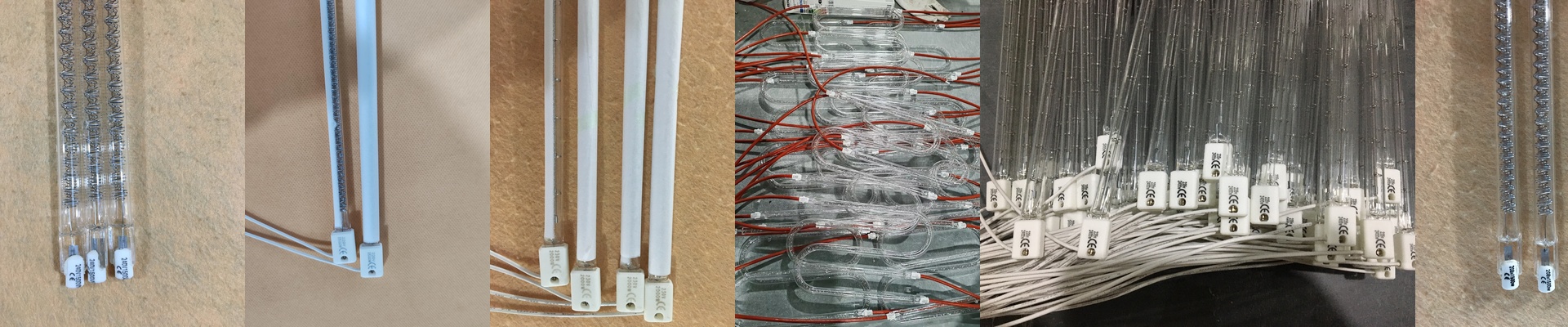
Shortwave IR is the “sprint” of the group. It runs hot and hits the metal surface with a ton of intensity. It’s fast. Really fast. If you’re looking to slash your cycle times and get wheels moving through the line quicker, this is your go-to. But there’s a catch. If you’re layering on thick powder and only use shortwave, you might run into “skinning.” That’s when the top layer hardens too quickly, trapping solvents underneath. Not a great look. That’s where medium-wave comes in. It runs cooler and digs deeper into the coating. It’s more of a slow burn, ensuring the heat spreads evenly from the metal up through the powder.
What about Twin-Tubes?
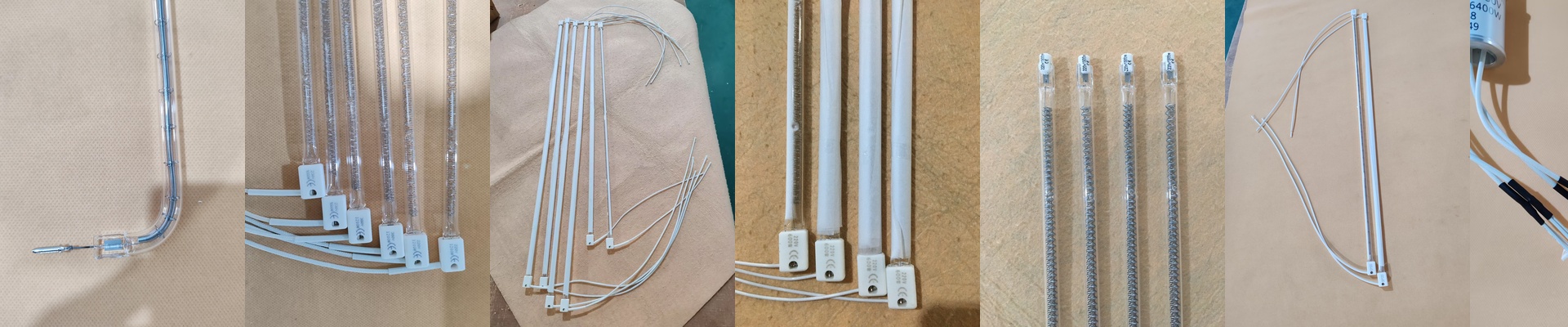
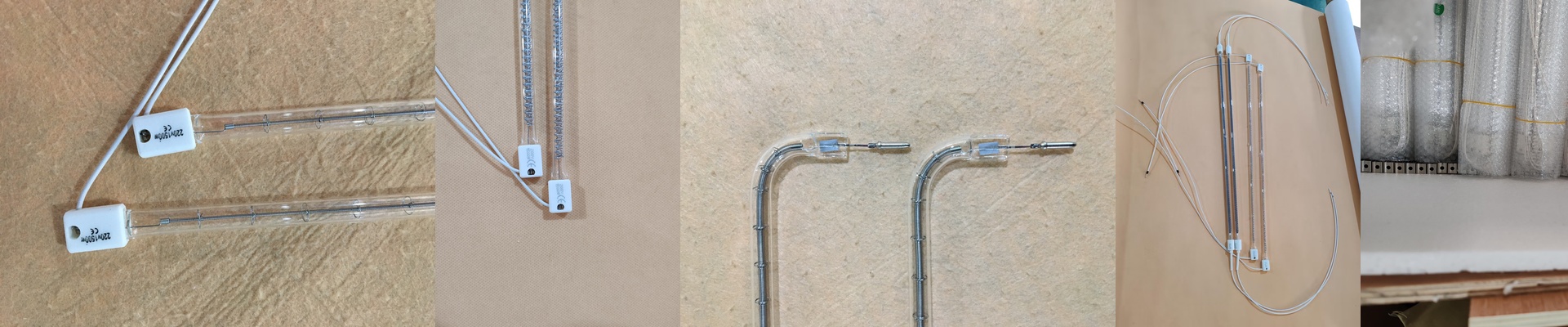
Then you’ve got twin-tube lamps. These basically cram two filaments into one quartz envelope. I usually suggest these when you need a massive amount of power but you don’t have the physical space to add more lamp banks. They pack a punch. Depending on your power supply, you can wire them in series or parallel to get the heat exactly where you need it.
The real-world trade-offs
Here’s the honest truth: shortwave lamps can be a bit temperamental. If your voltage jumps around, they tend to burn out faster. They take a beating in high-pressure environments. Medium-wave tubes are the tortoises—they last longer, but you’ll have to leave the wheels in the oven longer to hit those peak temperatures. And a quick heads-up on the gear. If you go with shortwave, don’t skimp on your cooling fans. That intense radiant energy doesn’t just hit the wheels; it heats up the entire oven chassis. If your airflow is weak, you’re going to fry your sensors and melt your wiring. For alloy wheels, I’ve found that a hybrid setup usually wins. Give them a quick hit of shortwave to flash off those solvents, then let medium-wave or twin-tubes do the heavy lifting to make sure the bond is rock solid all the way down to the metal.