Getting Your Heat Right in the Modern Textile Shop
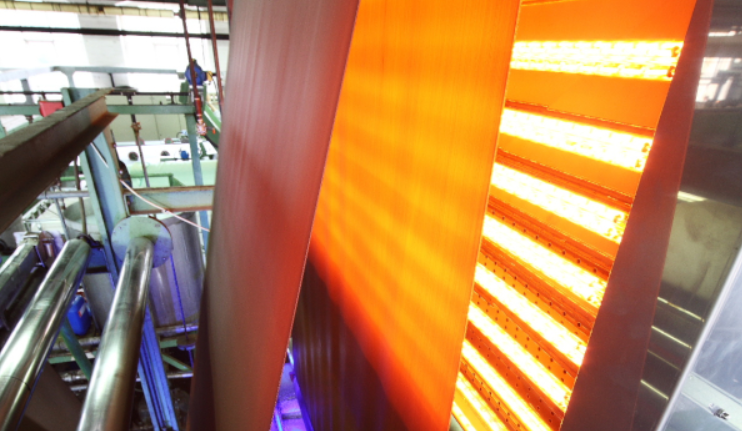
Let’s be honest: in a high-volume textile plant, “just adding more heat” usually ends in disaster. You don’t want to scorch your fibers or deal with inconsistent patches across your fabric. You need heat that’s precise—the kind that stays exactly where it needs to be while the material is flying past at full speed. That’s where the right IR lamps come in. It’s all about finding that sweet spot between raw power and a lamp that actually lasts.
Why some lamps just keep going
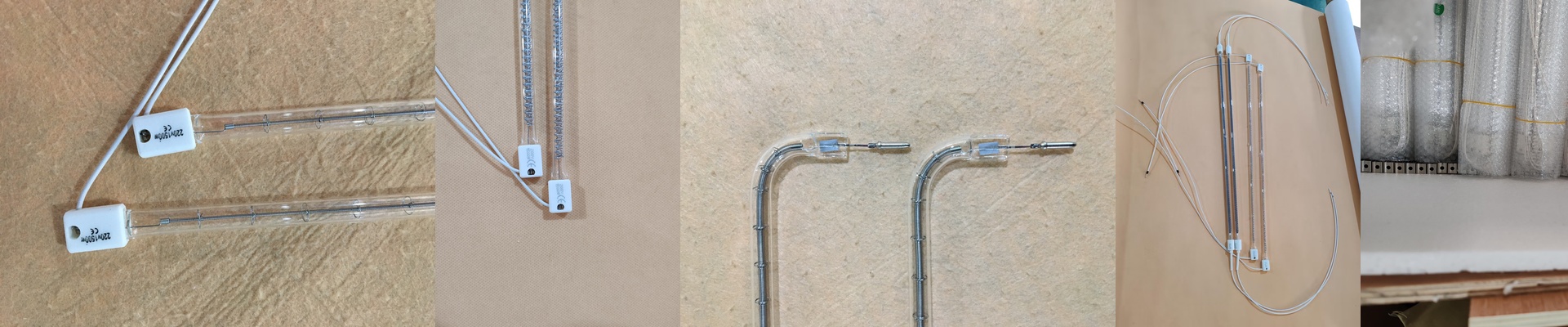
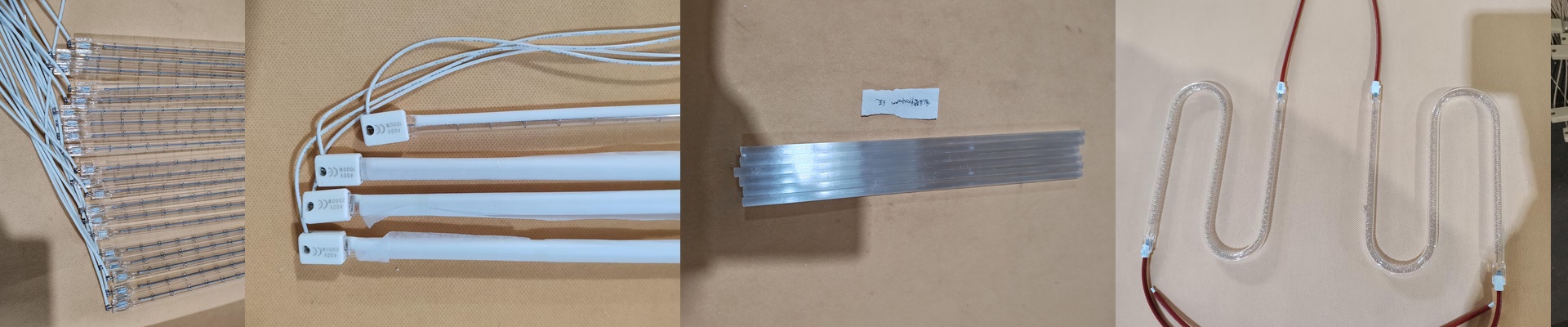
Ever wonder why some lamps burn out in a blink while others hold on? It usually comes down to the filament evaporating. We use a halogen gas fill to stop that from happening. Think of it as a little recycling system inside the tube. The halogen atoms grab the evaporated tungsten and push it right back onto the filament. This keeps the wire thick and sturdy, meaning these tubes last way longer than your standard quartz options. But here’s the trick: you can’t just pick any lamp. You have to match the light to the fabric. Shortwave IR is great for synthetic fibers because it digs deep for a fast cure. Medium-wave? That’s your go-to for surface drying. If the wavelength doesn’t match the fabric’s absorption, you’re just wasting electricity.
The nuts and bolts of setup
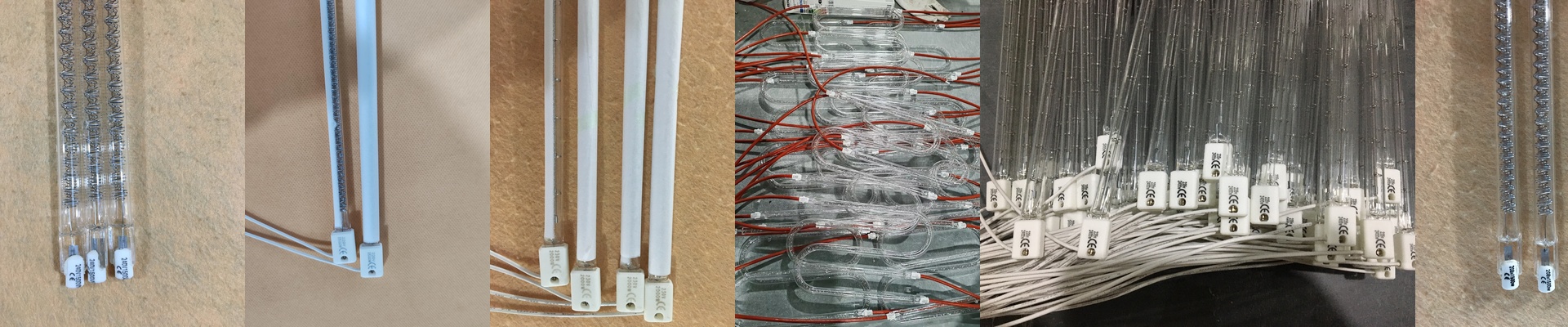
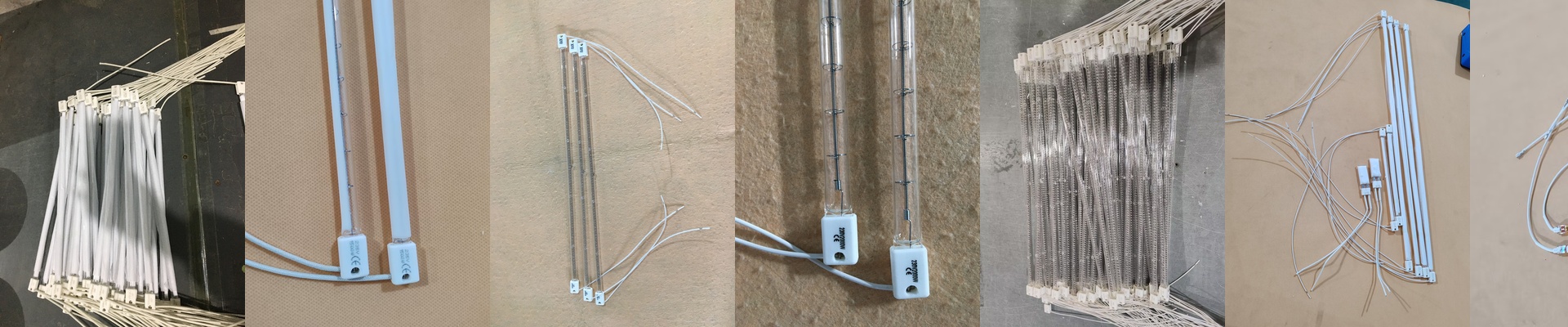
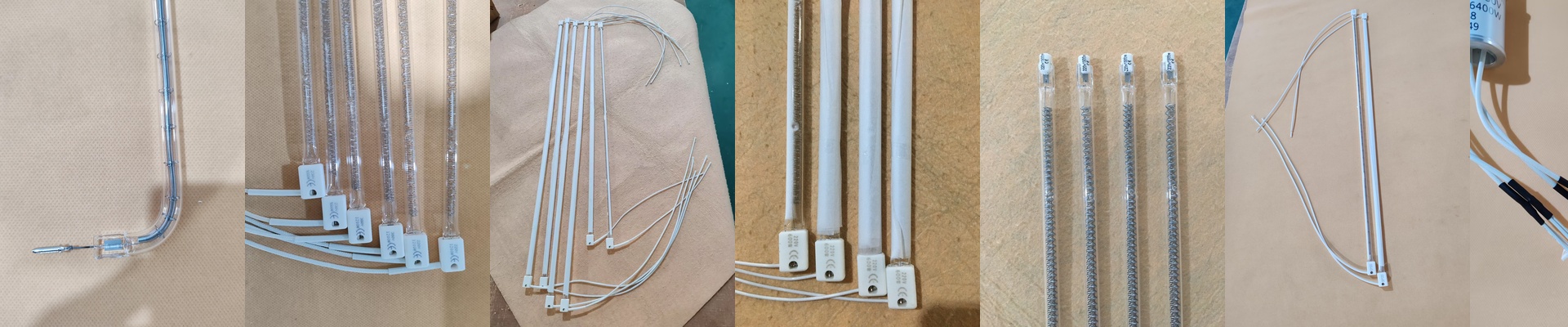
We designed these to be simple drop-in replacements. Whether you’re rocking R7s or SK15 connectors, the main goal is a rock-solid connection. You don’t want any arcing when the machines start vibrating. One thing to watch out for: high-wattage tubes gethot. Really hot. If you’re running a high-voltage setup to keep the current draw down, you’ve got to make sure your housing can breathe. If the air doesn’t flow, the ends of the lamp will overheat and the quartz seal will just crack. It’s a headache you don’t need.
The reality of the shop floor
Now, these lamps are tough, but they aren’t magic. Textile mills are messy. You’ve got lint flying everywhere and chemical overspray landing on everything. When that gunk builds up on the glass, it creates hot spots. And that’s where things go wrong. If you let the dust pile up, the lamp will overheat and blow—and it doesn’t matter how fancy the halogen cycle is. The only way around it is a strict cleaning schedule. Keep the glass clear, and the lamps will take care of you.