Getting Your Heat Right in Metal Coating
Most people think heating is just about cranking up the temperature. But if you’ve spent any time on a shop floor, you know it’s actually about control. You want a perfect cure, but you don’t want to scorch your parts. That’s where we come in. We focus on what we call precision thermodynamics—which is really just a fancy way of saying we make sure the heat hits every inch of your metal surface exactly how it should. Our certified IR lamps are built to do exactly that.
Why Heat Density Actually Matters
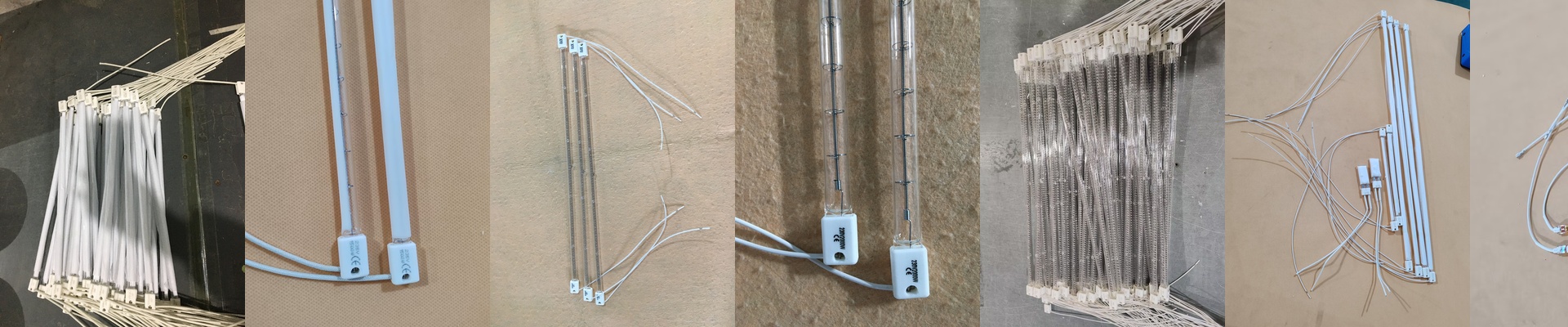
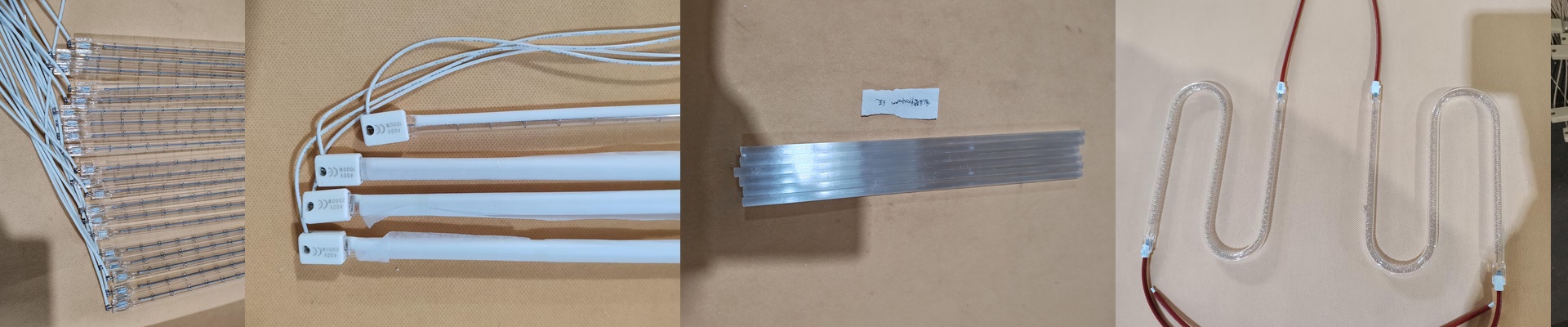
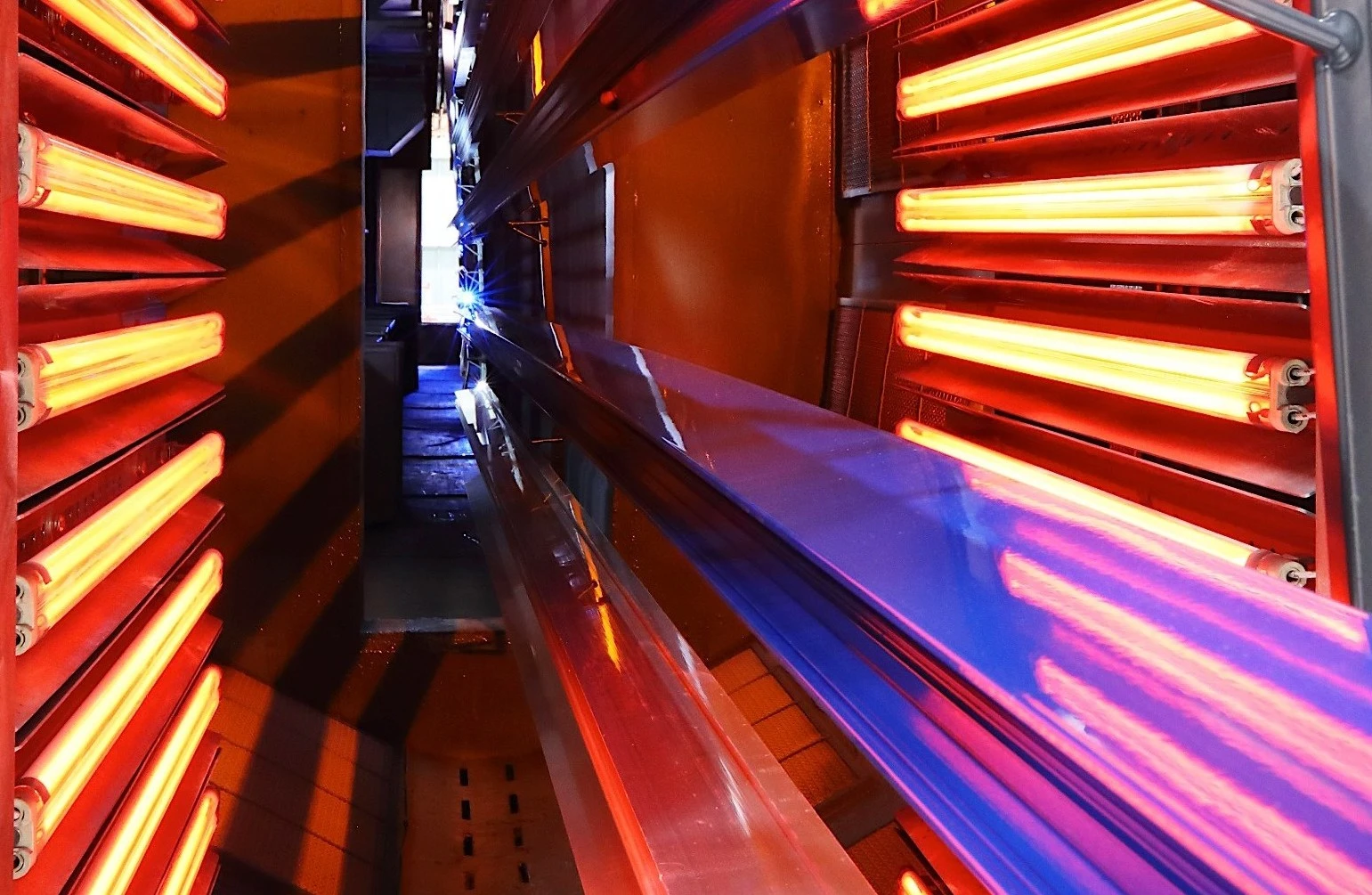
Our lamps use high-intensity shortwave radiation. Instead of just heating the surface, the energy punches through the coating and warms the metal from the inside out. By tweaking the wattage and voltage, you can dial in the heat density. If you go with a high-wattage setup, your ramp-up time drops, and your cycle times get a lot shorter. Just a heads-up: make sure your power supply can handle the peak surge when you first flip the switch. Nobody likes a blown fuse in the middle of a shift.
Built for the Real World
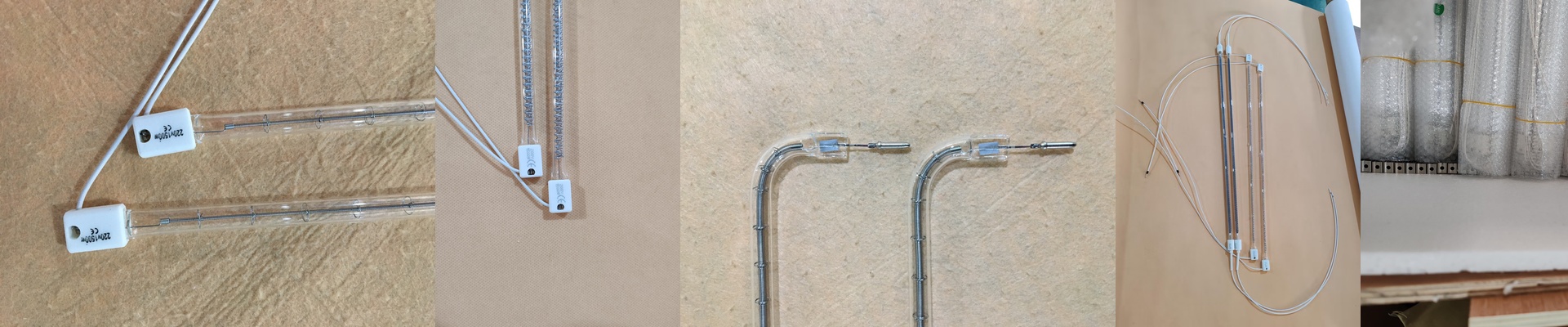
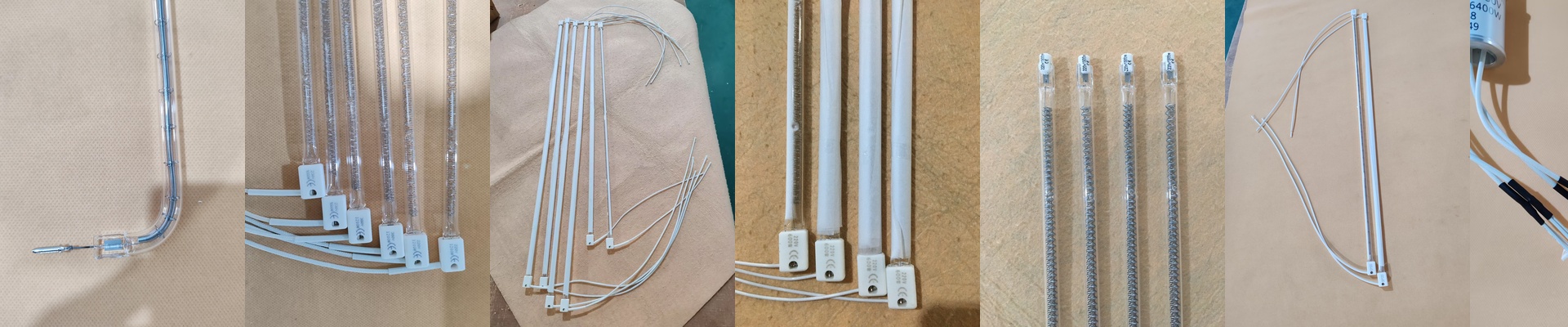
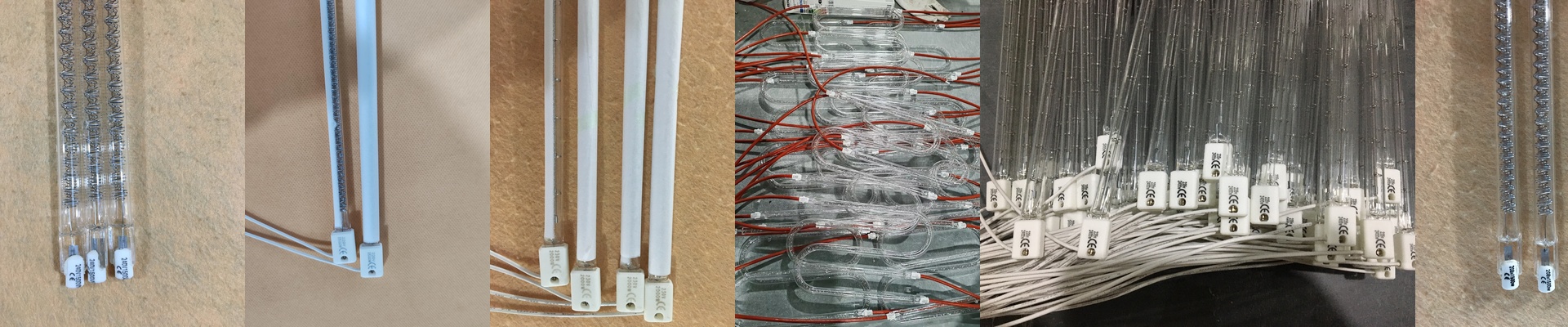
We use high-grade quartz glass and specific filaments so the output doesn’t wander. Because they’re certified, you get the same spectral distribution from one end of the tube to the other. We also use standard connectors, so these are simple drop-in replacements. But before you swap them into your line,**check your clearance.**These lamps put out a massive amount of radiant heat. If your reflectors are dirty or pitted, you’re losing efficiency and you might actually overheat the housing. Keep them clean.
Making it Work in the Shop
The best part? No more waiting for convection ovens to warm up. You get heat the second you turn them on. This is a lifesaver for powder coatings or liquid paints where that “flash-off” window is tiny. We’ve found that when you nail the IR control, those annoying “orange peel” defects disappear and the coating actually sticks. One thing to keep in mind: the faster you cure, the more stress you put on the finish. You’ve got to find that sweet spot between lamp intensity and line speed so you don’t trigger any thermal shock.