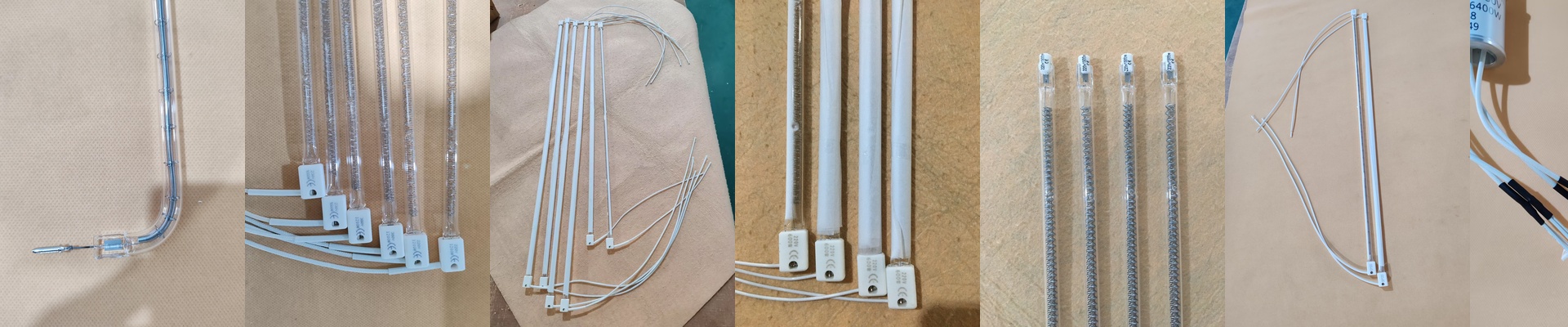
Why the purity of your quartz actually matters for Reggiani lamps
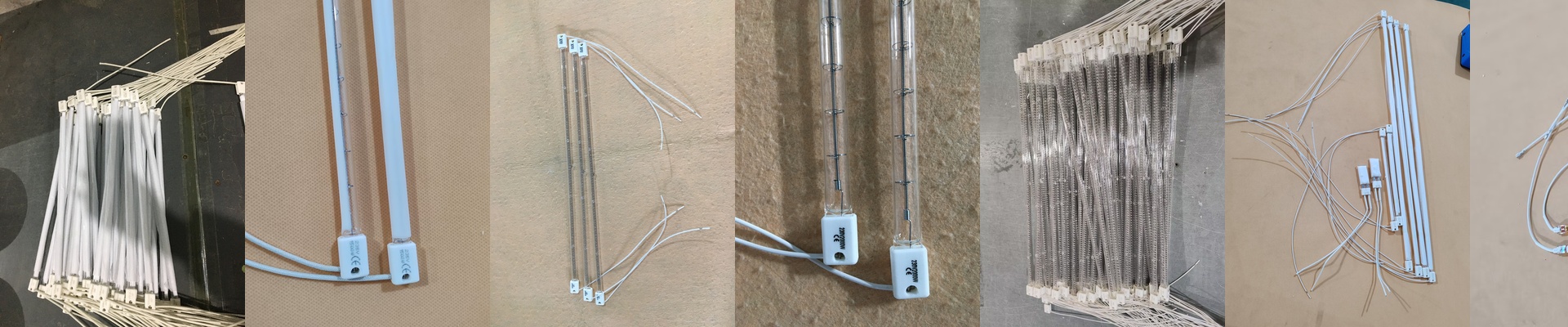
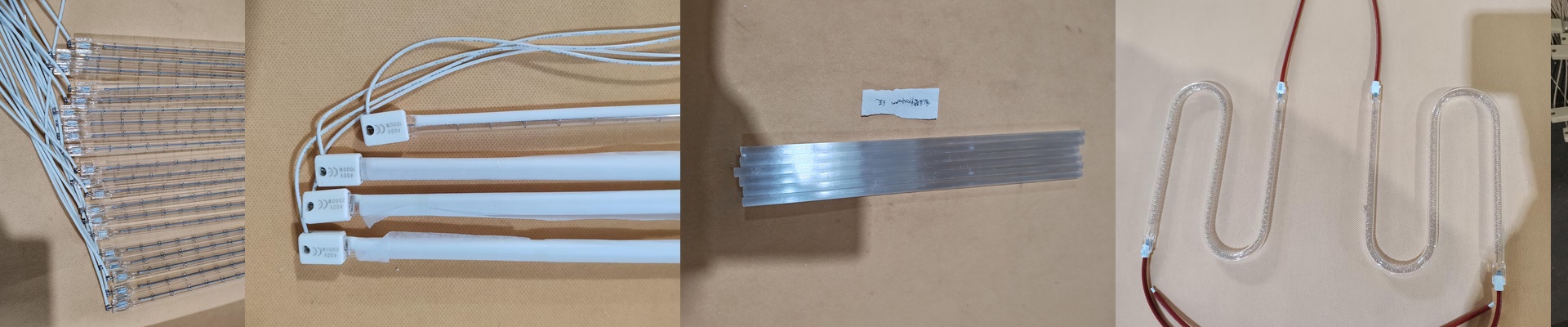
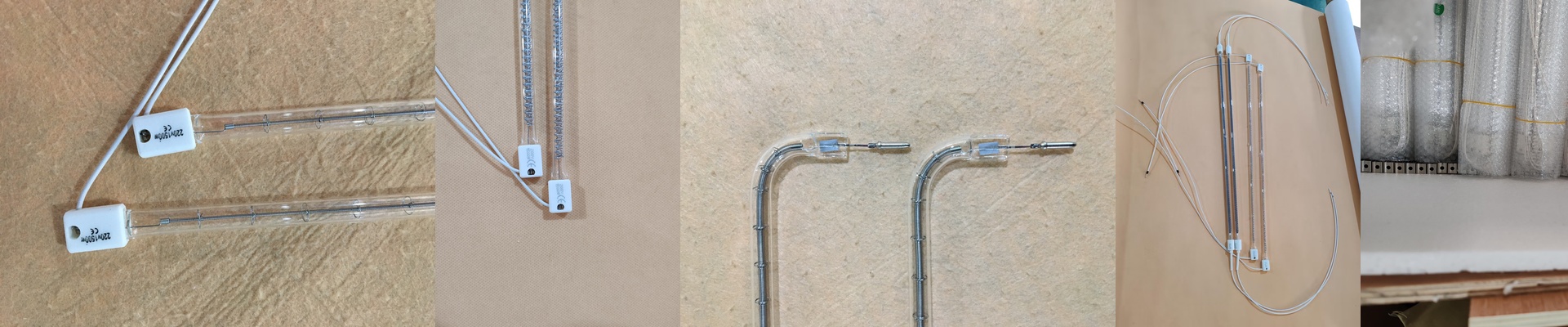
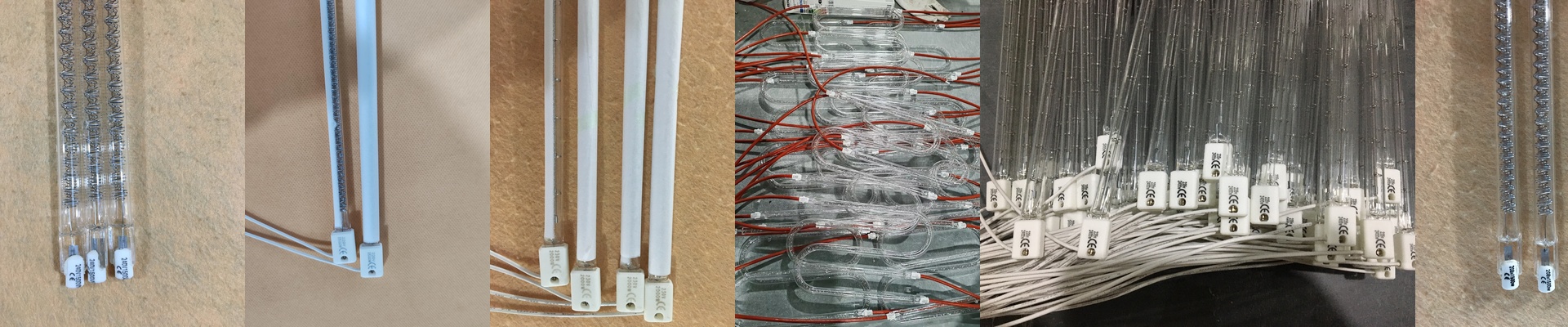
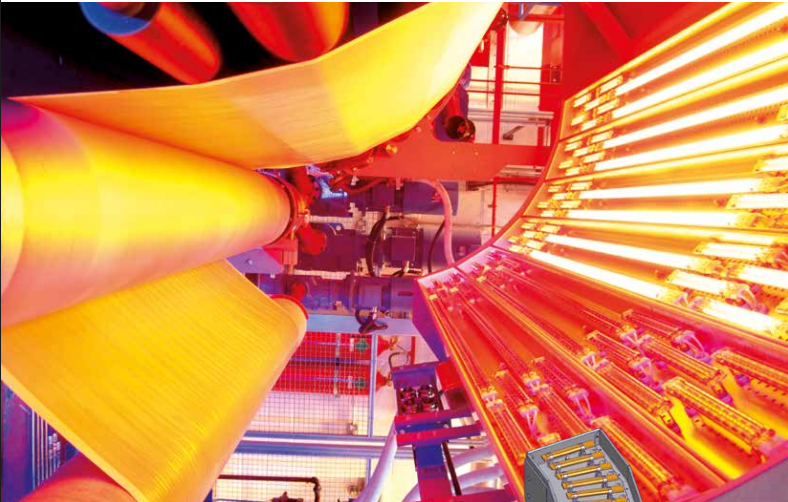
When you’re fixing or curing textiles, it’s easy to think of the glass tube as just a protective shell for the filament. But it’s more like a lens. For Reggiani machines, we use synthetic quartz that’s 99.99% pure. Why go to that extreme? Because we want the infrared energy hitting your fabric, not getting trapped and heating up the lamp itself. The science of getting heat through Here’s the thing: standard quartz usually has tiny bits of aluminum or iron hiding in it. You can’t see them, but they act like a wall for IR radiation. By pushing the purity to 99.99%, we clear the path. More photons fly straight through the glass. For you, that means the fabric hits its curing temperature faster. It’s efficient. It just works. Dealing with the heat stress In a Reggiani setup, these lamps aren’t just sitting there—they’re cycling on and off constantly. That’s a lot of stress. Cheap glass hates that. It develops these tiny micro-cracks from the constant temperature swings. But high-purity quartz can take a beating. It handles the thermal shock without breaking a sweat, which keeps the vacuum seal tight. That keeps the halogen gas inside where it belongs and stops your filaments from burning out way too soon. The catch (and how to handle it) Now, I’ll be honest: pure quartz is an investment. It costs more than the basic stuff. And it’s a bit finicky. If your team touches the tubes with bare hands, the oils from their skin actually bake into the surface. This creates “hot spots” that can kill the tube prematurely. **Quick tip:**Always use lint-free gloves during installation. It keeps the glass clean and the heat flowing. We build these lamps to fit Reggiani frames perfectly. No gaps, no guesswork. That means the heat stays uniform across the whole web, so you don’t end up with annoying streaks in your finished fabric.